





What's Happening?
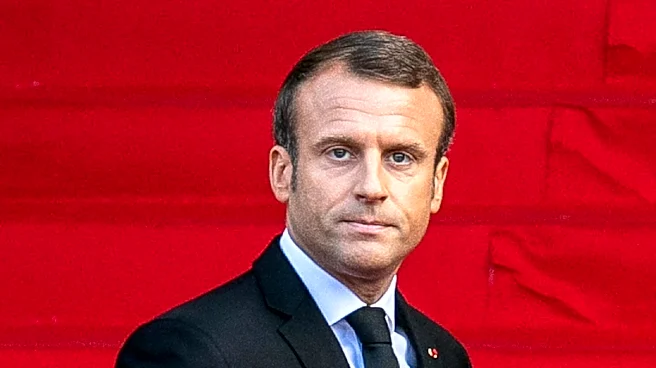
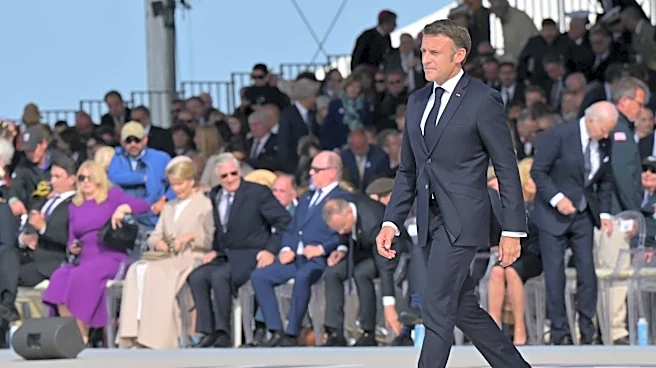
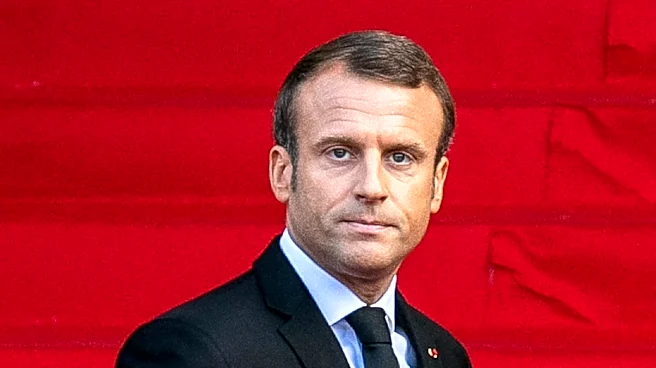
French President Emmanuel Macron announced on Tuesday that France is considering a submarine deal with Malaysia. During his statement, Macron also expressed his belief in the potential for cooperation between the two countries on nuclear power. This announcement
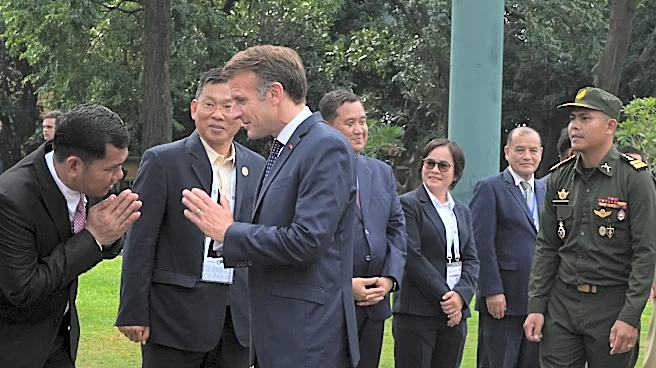
signals a potential expansion of defense and energy collaboration between France and Malaysia. The details of the potential submarine deal and the scope of nuclear power cooperation were not immediately disclosed, but the statement indicates a strategic interest from both nations in strengthening their bilateral ties in these key sectors. The discussions took place during a meeting between President Macron and Malaysian Prime Minister Anwar Ibrahim in Kuala Lumpur.
Why It's Important?
This potential submarine deal and nuclear cooperation between France and Malaysia hold significant implications for regional security and energy dynamics, particularly in Southeast Asia. For France, it represents an opportunity to expand its defense industry's reach and strengthen its strategic partnerships in the Indo-Pacific, a region of increasing geopolitical importance. For Malaysia, acquiring advanced submarines could enhance its naval capabilities and contribute to maritime security in a contested region. Furthermore, cooperation on nuclear power could help Malaysia diversify its energy sources and address growing energy demands, potentially reducing reliance on fossil fuels. This collaboration could also set a precedent for other nations in the region seeking to bolster their defense and energy infrastructure, potentially influencing regional power balances and economic development.
What's Next?
Following French President Emmanuel Macron's statement, the next steps will likely involve detailed negotiations between France and Malaysia regarding the specifics of the submarine deal and the framework for nuclear power cooperation. These discussions will need to address technical specifications, financial arrangements, technology transfer, and regulatory compliance. Both countries will need to navigate complex legal and political considerations to finalize any agreements. The potential for a submarine deal could also draw attention from other regional and international powers, potentially influencing their own defense procurement strategies. Similarly, progress on nuclear power cooperation could lead to further engagement with international atomic energy bodies and potentially attract interest from other nations looking to develop their nuclear energy programs.
Beyond the Headlines
The potential for France to engage in a submarine deal and nuclear cooperation with Malaysia extends beyond immediate defense and energy benefits, touching upon broader geopolitical strategies. For France, such agreements underscore its commitment to being a significant player in the Indo-Pacific, projecting its influence and offering alternatives to traditional defense suppliers. For Malaysia, these collaborations could signify a strategic diversification of its international partnerships, moving beyond established alliances to foster new relationships that align with its national interests. The development of nuclear power, while offering energy independence, also raises critical questions about safety, waste management, and non-proliferation, which will require robust international oversight and adherence to stringent standards. This move could also subtly shift regional power dynamics, as nations assess the implications of enhanced military and energy capabilities within Southeast Asia.