





What's Happening?
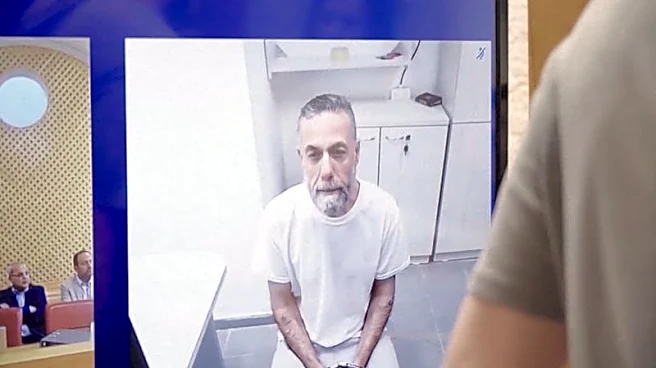
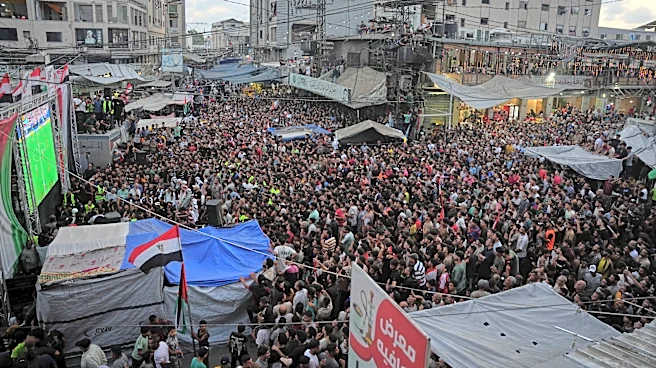
Dr. Hussam Abu Safiya, the director of Kamal Adwan Hospital in northern Gaza, has been detained by Israeli authorities for over 18 months. His detention has sparked a global campaign for his release, with international media and organizations like Physicians
for Human Rights Israel highlighting his case. Abu Safiya is portrayed as a dedicated medical professional who continued his work under challenging conditions during recent conflicts in Gaza. However, Israeli authorities allege that he has ties to Hamas, citing a photograph of him in a Hamas uniform. Abu Safiya's lawyer, Nasser Odeh, claims that his client is being subjected to harsh detention conditions, including solitary confinement and physical abuse, which have severely impacted his health. The Israeli Prison Service has denied these allegations, stating they are unfounded.
Why It's Important?
The case of Dr. Abu Safiya underscores the complex intersection of healthcare and politics in conflict zones. His detention raises significant concerns about the treatment of medical professionals in areas of conflict and the potential misuse of healthcare facilities for military purposes. The international attention on Abu Safiya's case highlights the broader issue of human rights in Israeli-Palestinian relations, particularly regarding the treatment of Palestinian detainees. The allegations of torture and harsh detention conditions could impact Israel's international relations and its image concerning human rights practices. Additionally, the case may influence future discussions on the protection of medical spaces and personnel in conflict zones.
What's Next?
As the investigation into Abu Safiya's alleged activities continues, international pressure for his release is likely to intensify. Human rights organizations and international media may continue to scrutinize Israel's detention practices, potentially leading to diplomatic discussions or interventions. The outcome of Abu Safiya's case could set a precedent for how similar cases are handled in the future, particularly concerning the detention of individuals accused of having ties to militant groups. The situation may also prompt further dialogue on the protection of healthcare workers in conflict areas and the need for clear guidelines to prevent the militarization of medical facilities.