









What's Happening?
Drivers frequently encounter GPS signal loss during road trips, a problem attributed to various factors including environmental obstructions, vehicle interference, and device settings. Buildings, tunnels, dense vegetation, and metal structures like bridges
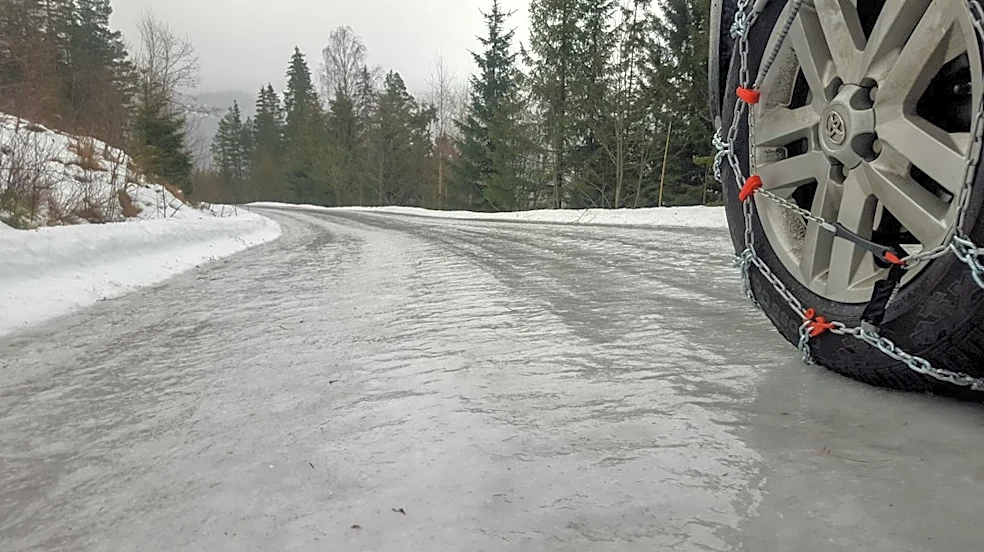
can block satellite signals. Weather conditions such as heavy rain, snow, ice, and dense cloud cover also reduce signal strength. Furthermore, the vehicle itself can degrade GPS signals due to metal roofs, metallic-coated windshields, and certain aftermarket accessories. Device-specific issues, such as disabled location services, incorrect date and time settings, and power-saving modes, are also common culprits. Thick phone cases, especially those with metal components, and metallic objects near the phone can further interfere with GPS reception. The problem is often fixable through adjustments to phone settings, app updates, and optimal device placement.
Why It's Important?
Reliable GPS navigation is crucial for safe and efficient travel, particularly during road trips in unfamiliar territories. Frequent signal loss can lead to driver frustration, missed turns, and potentially dangerous situations if drivers become disoriented in remote areas or during emergencies. The reliance on GPS for navigation has become widespread, making its consistent functionality a significant aspect of modern travel. Understanding the causes and solutions for GPS signal loss empowers drivers to mitigate these issues, ensuring smoother journeys and reducing the stress associated with navigating without clear directions. This impacts not only individual travelers but also industries reliant on precise location data, such as logistics and transportation, where disruptions can lead to delays and inefficiencies.
What's Next?
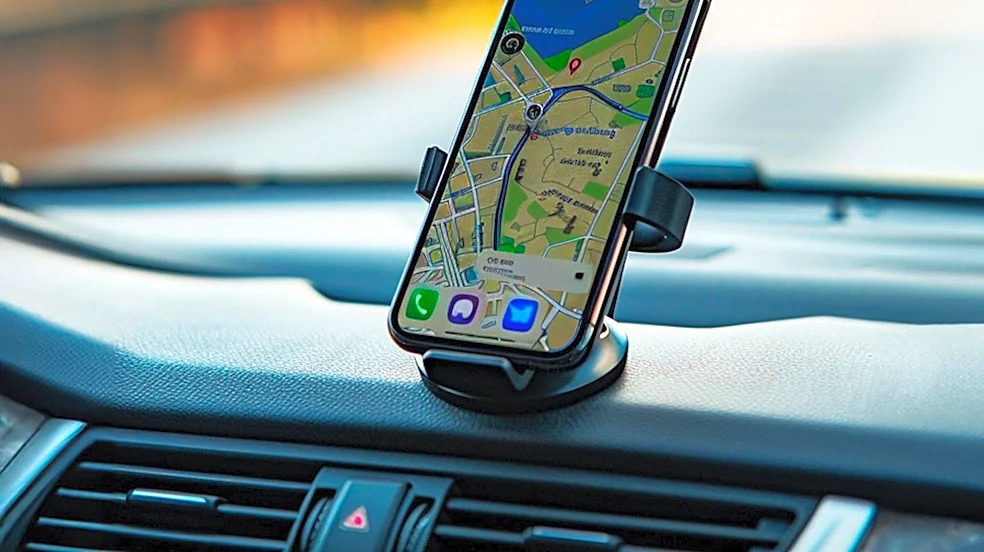
To prevent GPS signal loss, drivers are advised to prepare by testing their phone's GPS in planned travel areas and downloading offline maps for their entire route, including extra mileage for detours. Before embarking on a trip, it is recommended to verify that location services are enabled, device date and time are set to automatic, and power-saving modes are disabled for navigation apps. Regular updates for navigation apps and device firmware are also crucial. For in-vehicle use, optimizing device placement by mounting the phone on the dashboard with the top facing the sky and away from metal objects can significantly improve signal strength. If issues persist, testing with different apps or devices can help isolate whether the problem lies with the phone, the app, or vehicle interference.
Beyond the Headlines
The widespread issue of GPS signal loss on road trips highlights a broader dependency on satellite technology for everyday functions. While often perceived as a robust and infallible system, GPS is susceptible to various forms of interference, both natural and man-made. This vulnerability underscores the importance of having backup navigation methods, such as offline maps or traditional paper maps, especially when venturing into areas with known signal challenges. The problem also points to the need for continued innovation in GPS technology and device design to enhance signal reception and resilience against interference. As vehicles become more integrated with navigation and autonomous features, ensuring uninterrupted and accurate GPS data will be paramount for safety and functionality, pushing manufacturers to develop more robust solutions.