


What's Happening?
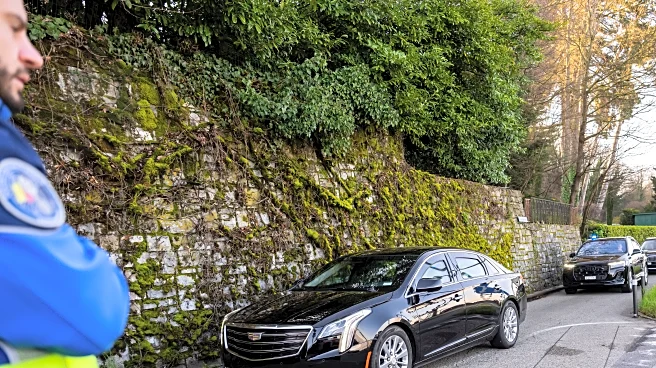
Iran and the United States are engaged in a third round of indirect nuclear negotiations in Geneva, facilitated by Omani mediation. Iranian Foreign Minister Abbas Araghchi is leading the Iranian delegation, while U.S. representatives include Steve Witkoff
and Jared Kushner. The talks aim to address the Iranian nuclear program amid heightened tensions between the two nations. The negotiations are crucial as they occur against the backdrop of potential U.S. military action against Iran. Iran is seeking a fair and balanced agreement that includes the removal of sanctions, while the U.S. is focused on addressing security concerns related to Iran's nuclear capabilities.
Why It's Important?
These negotiations are pivotal in determining the future of U.S.-Iran relations and the stability of the Middle East. A successful agreement could lead to the easing of sanctions on Iran, providing much-needed economic relief and potentially reducing regional tensions. Conversely, a failure to reach an agreement could escalate hostilities, increasing the risk of military conflict. The outcome of these talks will have significant implications for global security, energy markets, and international diplomacy. The involvement of Oman as a mediator underscores the complexity of the negotiations and the importance of regional cooperation in achieving a resolution.
What's Next?
The continuation of these talks suggests that both Iran and the U.S. are committed to finding a diplomatic solution, although challenges remain. Future negotiations will likely focus on specific terms of the agreement, including verification measures and timelines for sanction relief. The international community will be closely monitoring the progress of these talks, as their outcome could influence broader geopolitical dynamics. Stakeholders, including European nations and regional powers, may play a role in supporting the negotiation process and ensuring compliance with any agreement reached.