






What's Happening?
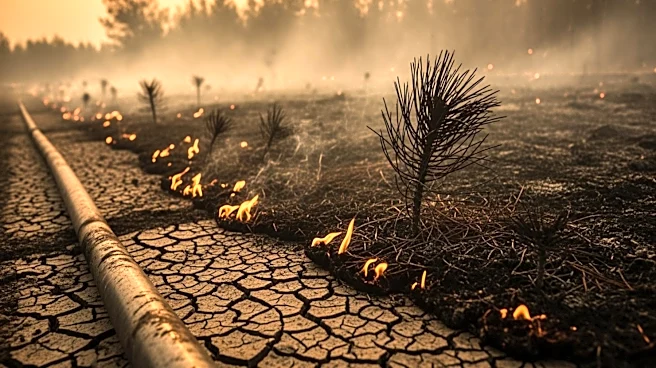
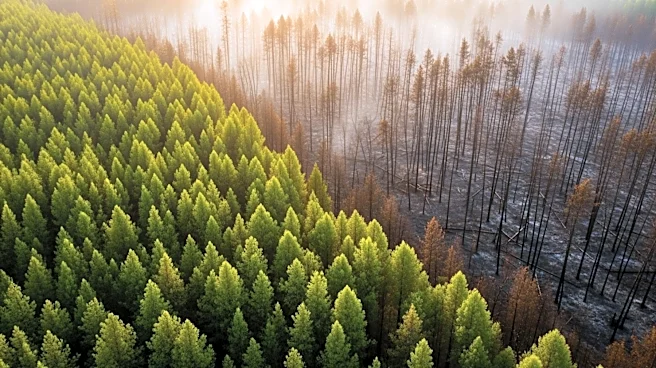
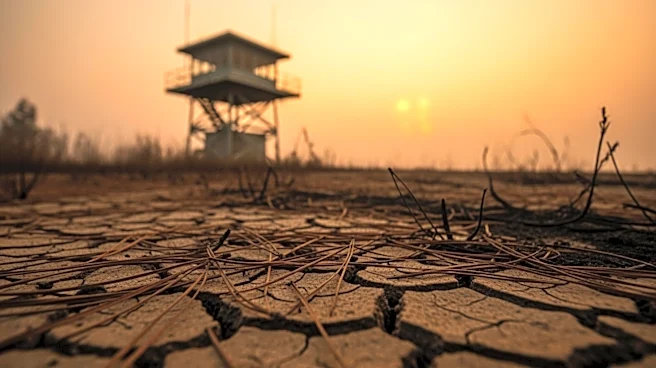
A recent study highlights that while the total area burned by wildfires globally has decreased, the impact on wealthier regions has been devastating. In 2025, catastrophic wildfires affected areas in California, Canada, Europe, and South Korea, despite
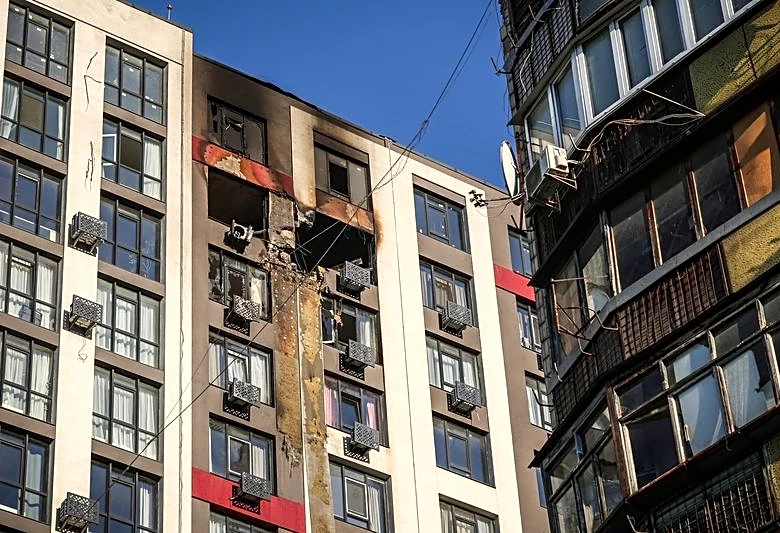
a global reduction in burned hectares. The study attributes this to changes in land use and global heating, which have increased the risk of fires at the wildland-urban interface. High winds and dry vegetation have exacerbated fires in densely populated areas, leading to significant mortality, evacuations, and infrastructure losses. The study also notes that fires accounted for over 38% of insured losses from weather disasters in 2025.
Why It's Important?
The findings underscore the growing disconnect between the total area burned and the real-world impacts of wildfires. As global heating creates conditions conducive to fire spread, wealthier regions with more infrastructure and population density face increased risks. This has significant implications for insurance industries, urban planning, and public safety. The study highlights the need for strategies to increase the resilience of landscapes and communities to extreme fire events, as climate change continues to heighten the likelihood of such occurrences.
Beyond the Headlines
The study suggests that while reducing the number of fires is important, enhancing the resilience of communities and landscapes to withstand extreme events is crucial. This involves addressing factors like fuel accumulation and land management practices that contribute to fire vulnerability. The research also points to the broader environmental and health impacts of wildfires, such as carbon emissions and air pollution, which have far-reaching consequences beyond the immediate areas affected by fires.