





What's Happening?
Geneticists, led by Cameron Peace at Washington State University, have identified a living, lost progenitor of hundreds of North American apple varieties. This discovery originated from a sample coded AMHO-504, collected by the Maine Organic Farmers and
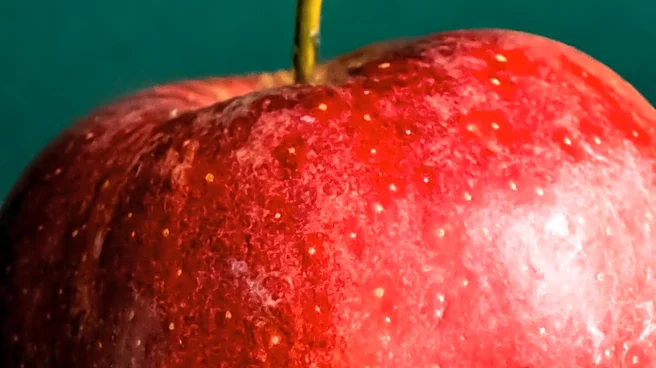
Gardeners Association (MOFGA) from an ancient, unnamed tree on Verona Island, Maine. The tree, found on a property dating back to the American Revolutionary War, was genetically matched to a previously hypothesized 'unknown founder' in a global database maintained by molecular geneticist Nick Howard. This 'unknown founder' was identified as Drap d’Or de Bretagne, a French apple variety first described in 1628 and once widely cultivated in Europe. The finding confirms that this specific cultivar was brought to North America by early colonists, likely due to its perceived value, and has been contributing its genetic characteristics to American apples for centuries. Subsequent discoveries of identical Drap d’Or de Bretagne trees in other parts of Maine further solidify its historical presence and resilience.
Why It's Important?
This discovery holds significant importance for American agriculture and genetic research. Apples are the most consumed fruit in the U.S. and a top commercial crop, yet the market relies heavily on a small number of varieties, making them vulnerable to diseases and changing climate patterns. The identification of Drap d’Or de Bretagne provides a crucial genetic resource, offering traits like hardiness and disease resistance that may have been lost or undervalued in modern breeding. By understanding the genetic makeup of such ancient, resilient varieties, scientists can identify specific DNA segments associated with desirable qualities. This knowledge can then be used to breed new apple cultivars that are better equipped to withstand current and future threats, such as fire blight, powdery mildew, and the impacts of climate change like heat waves. This approach, while not genetic engineering, enhances the precision of traditional breeding methods, allowing breeders to select for specific beneficial traits more efficiently. The preservation and reintroduction of these genetic resources are vital for ensuring the long-term sustainability and diversity of the U.S. apple industry.
What's Next?
The identification of Drap d’Or de Bretagne is expected to catalyze further efforts in apple genetic research and conservation across the U.S. Scientists will continue to analyze the genetic makeup of this ancient variety to pinpoint specific traits that could be beneficial for modern apple breeding programs. This will involve detailed studies to associate its DNA segments with qualities like disease resistance, hardiness, and flavor. The success of this 'apple detective' work is likely to encourage more amateur and professional enthusiasts to search for and submit samples from other old or unidentified apple trees, particularly in areas with early colonial settlements. This expanded search could uncover additional lost varieties, further enriching the genetic diversity available for breeding. Organizations like MOFGA and universities like Washington State will likely continue to collaborate, using advanced genetic fingerprinting techniques to build a more comprehensive 'family tree' of North American apples. The ultimate goal is to integrate these rediscovered genetic resources into breeding programs to develop new, resilient apple varieties that can thrive in changing environmental conditions and meet future agricultural demands.
Beyond the Headlines
The discovery of the Drap d’Or de Bretagne apple transcends mere agricultural significance, offering deeper insights into historical migration patterns, cultural values, and the long-term impact of human choices on biodiversity. The fact that this specific cultivar was carried across the Atlantic by early colonists speaks volumes about its perceived value and importance in their daily lives, highlighting how food sources were integral to settlement and survival. This finding also underscores the concept of a 'genetic archive,' demonstrating that biological organisms can hold historical information that no written record can provide. Ethically, it raises questions about the stewardship of genetic resources and the responsibility to preserve biodiversity, especially in an era of monoculture farming and climate change. Culturally, it connects modern Americans to their past through a tangible, living link, fostering an appreciation for the historical roots of their food systems. The ongoing effort to identify and preserve these 'lost' varieties reflects a broader societal shift towards valuing heritage, resilience, and sustainable practices in agriculture, moving beyond purely commercial considerations to embrace ecological and historical dimensions.