






What's Happening?
The United States is projected to require a staggering $1 trillion investment in new senior housing by 2040 to accommodate its rapidly aging population. Data from the U.S. Census Bureau, analyzed by real estate data group NIC MAP, indicates that the population of
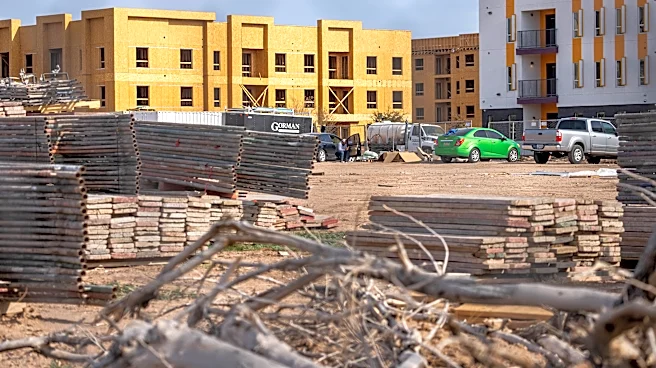
Americans over 80 will increase by one-third, or 5 million people, by 2030, and nearly double by 2040, adding 13 million more individuals over 80 compared to current figures. To meet this demand, NIC estimates the nation needs to add 576,000 senior housing units by 2030 and 1 million units by 2040. This comes at a time when rising construction costs and other factors have led to a slump in senior housing construction, with only about 10,000 new units starting construction in 2025, a third of the 2021 figures. The industry is still recovering from an overbuilding period in the late 2010s and the impact of COVID-19, which led to some communal senior living facilities emptying out.
Why It's Important?
This projected shortage and the associated investment need highlight a critical demographic and economic challenge for the U.S. The aging Baby Boomer generation is reaching the age where senior housing becomes a consideration, creating unprecedented demand. The current slowdown in construction, while helping existing units fill up and occupancy rates rebound to about 93%, risks creating a severe scarcity problem in the future. This scarcity could drive up costs, making senior housing less accessible and affordable for many. The industry also faces a branding challenge, with terms like 'nursing home' and 'senior' carrying negative connotations, deterring potential residents. Jane Arthur Roslovic, CEO of Treplus Communities, emphasizes the need to reframe senior living as a positive new chapter rather than a last resort. Without adequate and appealing options, many older adults may delay downsizing until a crisis forces a move, often into less desirable circumstances. The lack of affordable senior housing options also disproportionately affects lower-income seniors, exacerbating existing inequalities.
What's Next?
Addressing the impending senior housing crisis will require a multi-faceted approach. Industry leaders and developers must find ways to overcome rising construction costs and accelerate the building of new, appropriate units. This includes exploring innovative financing models and potentially advocating for government incentives to support development. Furthermore, a significant shift in marketing and perception is needed to rebrand senior living. Emphasizing community, active lifestyles, and the benefits of downsizing, rather than focusing on care needs, could attract more residents earlier. Policymakers may also need to consider measures to improve affordability, such as property tax portability, which allows seniors to transfer their tax basis to a new home, as seen in California. Without proactive measures, the U.S. risks facing a severe shortage of suitable and affordable housing for its growing elderly population, leading to increased strain on families and healthcare systems.
Beyond the Headlines
Beyond the immediate housing and financial implications, this trend reflects a broader societal challenge in how the U.S. prepares for and supports its aging population. The reluctance to embrace senior living options, partly due to outdated perceptions and terminology, points to a cultural discomfort with aging and dependency. A more holistic approach could involve integrating senior living communities more seamlessly into broader neighborhoods, fostering intergenerational connections, and designing spaces that promote well-being and independence. The discussion also implicitly raises questions about the future of caregiving, as a shortage of suitable housing could place greater burdens on family members. The need for specialized features like single-story floor plans and wider doorways in new constructions highlights the importance of age-friendly design in urban planning and architecture, ensuring that infrastructure evolves to meet the needs of an older demographic.