





What's Happening?
Ukraine is actively pursuing long-term partnerships with countries in Asia, Africa, and Latin America to share its defense technologies and experience gained from resisting Russian aggression. This initiative was a central theme of a panel discussion
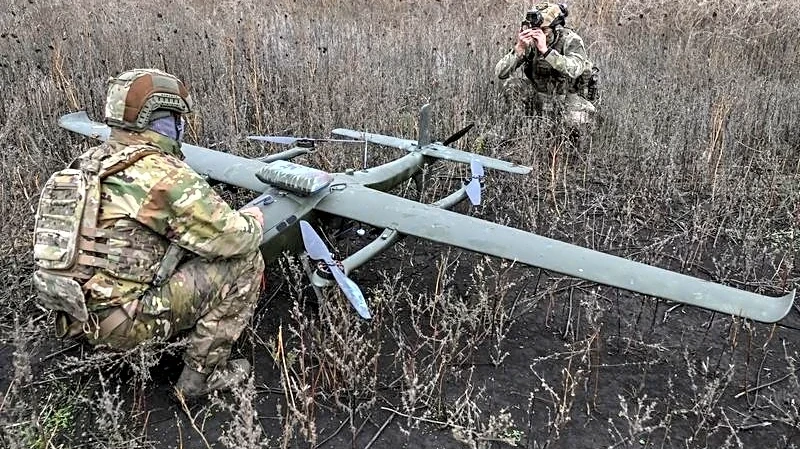
titled 'Know-How à la Kyiv: Ukraine as a Provider of Security and Resilience Expertise,' held as part of the 'Crimea Global. Understanding Ukraine through the South' conference. Participants from various countries, including Mexico, Chile, Indonesia, Jordan, and Oman, discussed how these nations could benefit from Ukraine's innovative solutions and rapid military advancements. Experts highlighted Ukraine's resilience, its effective use of drones and artificial intelligence, and its ability to adapt defense capabilities quickly to evolving threats. The goal is to position Ukraine as a sovereign actor and a provider of security and resilience expertise, particularly in regions where Russia still maintains a positive image. This involves understanding each country's political and information environment to develop tailored messaging and narratives.
Why It's Important?
This initiative is important as it signifies Ukraine's strategic shift from solely receiving aid to becoming a contributor to global security. By sharing its hard-won battlefield experience and advanced defense technologies, Ukraine aims to build new alliances and strengthen its international standing, particularly with countries in the Global South. This could counter Russian influence in these regions and foster a broader understanding of the implications of international law and self-defense. For the U.S., this development could indirectly support its foreign policy objectives by promoting democratic values and international law, especially in areas where China and Russia have been expanding their influence. Furthermore, the transfer of Ukrainian expertise in areas like drone technology, AI, and critical infrastructure protection could enhance the security capabilities of partner nations, potentially reducing future instability in various parts of the world. It also highlights the evolving nature of modern warfare and the rapid innovation driven by conflict.
What's Next?
Ukraine plans to continue engaging with countries in the Global South to solidify these partnerships. The focus will be on practical cooperation, starting with smaller, concrete areas. This includes cultural diplomacy, leveraging connections like the Crimean Tatars, an Indigenous People of Ukraine who practice Islam, to build mutual understanding. Ukraine also aims to address the challenge of countering Russian information influence in these regions by developing tailored communication strategies. The transfer of defense technologies will require robust security measures to protect Ukrainian innovations from illegal copying and use. Discussions will likely continue on how to effectively implement these technology transfers and integrate Ukraine's experience into the security frameworks of partner nations. The long-term goal is to establish Ukraine as a reliable partner in addressing global security challenges, moving beyond traditional alliances.
Beyond the Headlines
The initiative to share Ukraine's defense expertise carries deeper implications beyond immediate security benefits. It represents a redefinition of Ukraine's role on the global stage, transforming it from a recipient of aid into a strategic partner and innovator. This could lead to a more multipolar world order where non-traditional powers contribute significantly to global security. Ethically, it raises questions about the responsible transfer of military technology and the potential for these technologies to be used in other conflicts. Legally, it necessitates the establishment of robust frameworks for intellectual property protection and technology transfer agreements. Culturally, it offers an opportunity for Ukraine to project its values and experiences, fostering greater international solidarity and understanding. This shift could also challenge existing geopolitical narratives, particularly those propagated by Russia, by demonstrating Ukraine's agency and capacity for innovation under duress. The long-term impact could be a more resilient and interconnected global security architecture.