




What's Happening?
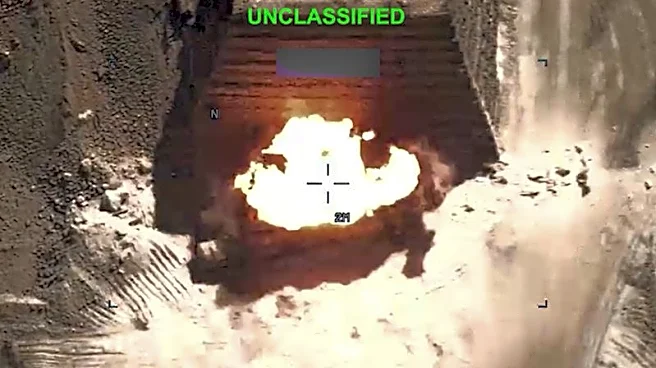
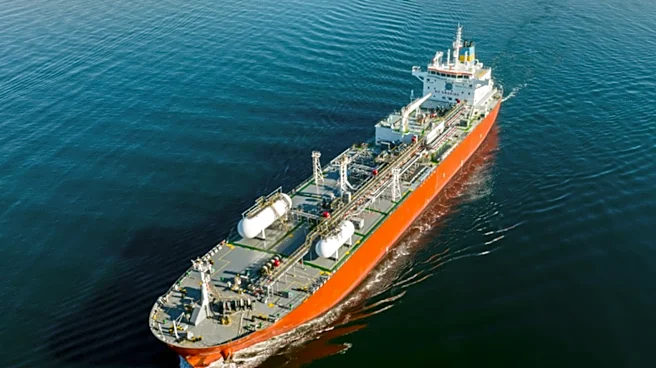
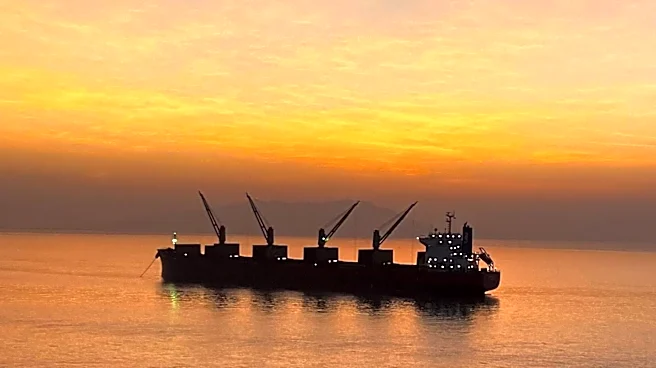
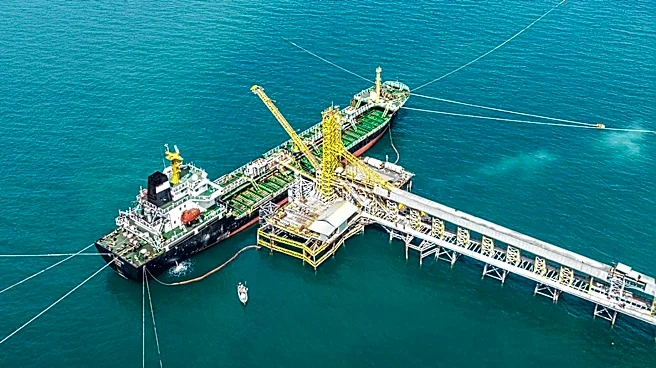
Ship-to-ship oil transfers in the Gulf of Oman have slowed significantly following a series of attacks on vessels by Iranian forces. These transfers, crucial for maintaining oil exports from the Gulf, have been reduced to just a few operations per day.
The U.S.-assisted initiative, which began in May, aimed to mitigate the impact of disruptions in oil and gas supplies by facilitating these transfers. However, safety concerns have led some shipping companies to avoid the U.S. military-guided transit scheme. The reduction in transfers has resulted in decreased oil traffic through the Strait of Hormuz, impacting global energy markets.
Why It's Important?
The slowdown in ship-to-ship oil transfers highlights the fragility of global energy supply chains in the face of geopolitical tensions. The Gulf of Oman is a critical route for oil exports, and disruptions here can have significant implications for global oil prices and supply stability. The situation underscores the need for secure and reliable energy transport routes and the potential economic impact of regional conflicts. The reliance on military-guided transit schemes also raises questions about the long-term sustainability of such measures in ensuring energy security.
What's Next?
The U.S. is likely to continue efforts to secure oil shipments through the Strait of Hormuz, potentially increasing military presence in the region. Shipping companies may seek alternative routes or methods to ensure the safety of their operations. The situation could lead to increased diplomatic efforts to de-escalate tensions and ensure the free flow of energy resources. Additionally, there may be a push for technological advancements in maritime security to prevent future disruptions.