





What's Happening?
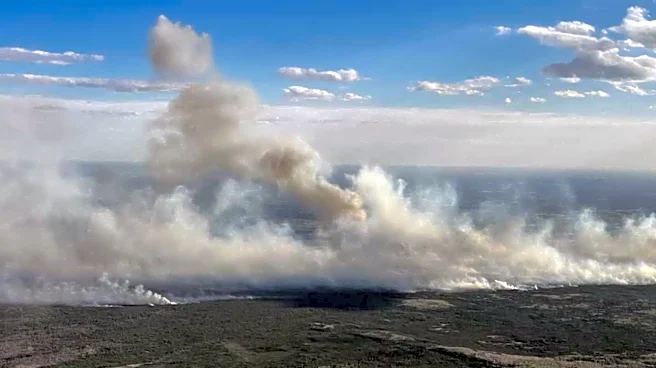
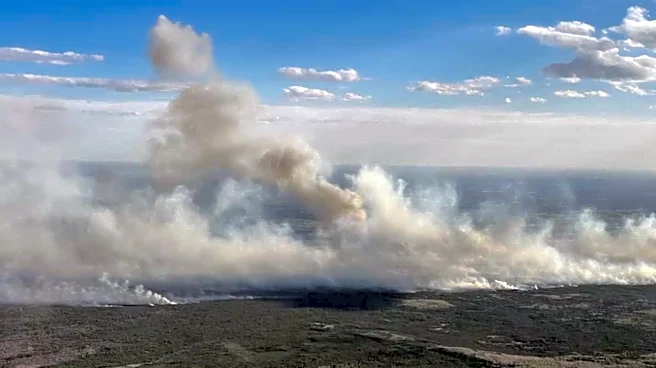
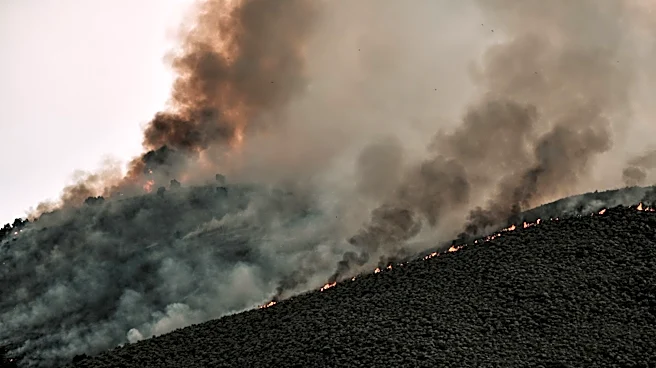
A recent study conducted by the University at Buffalo has found that smoke from Canadian wildfires has led to a decrease in bird sightings across New York. The research analyzed nearly 99,000 birdwatching reports from the 2021-2023 bird breeding seasons,
comparing them with data on fine particulate pollution (PM2.5) levels. The study, published in the journal Biodiversity and Conservation, revealed that 40 out of 84 bird species were less likely to be observed during periods of increased wildfire smoke. Migratory forest birds, such as warblers, thrushes, and vireos, were among the most affected. Researchers suggest that smoky conditions may alter bird behavior, causing them to sing less, move less frequently, or remain hidden, making them harder to detect. However, the study notes that fewer sightings do not necessarily indicate a decline in bird populations.
Why It's Important?
The findings of this study are significant as they highlight the impact of climate change-induced wildfires on wildlife observation and biodiversity monitoring. As wildfires become more frequent and intense, understanding their effects on bird detection is crucial for tracking wildlife populations accurately. The study emphasizes the need to consider air quality in biodiversity monitoring to avoid misinterpreting temporary changes in bird activity as long-term population declines. This research could influence future conservation strategies and policies aimed at protecting wildlife amidst changing environmental conditions.
What's Next?
The study suggests that incorporating air quality data into biodiversity monitoring could improve the accuracy of wildlife population tracking. As climate change continues to intensify wildfires, further research may be needed to explore the long-term effects of smoke pollution on bird behavior and populations. Conservationists and policymakers might use these findings to develop strategies that mitigate the impact of air pollution on wildlife and enhance conservation efforts.