
What's Happening?
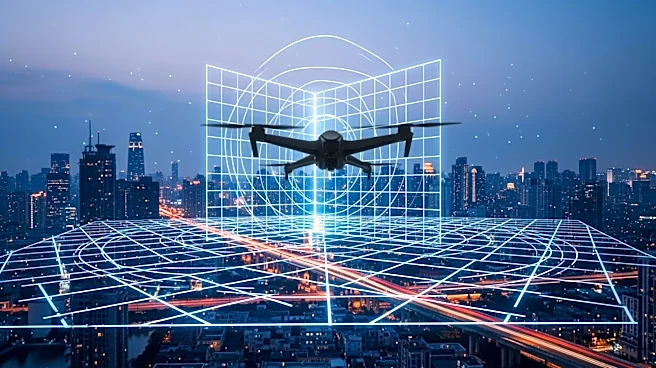
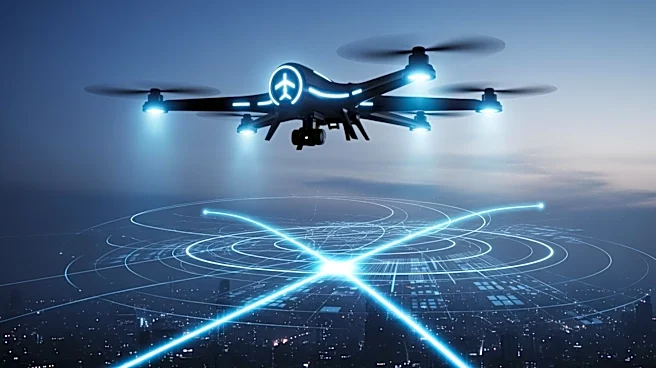
NASA is actively working on developing air traffic systems to prioritize first responder drones in congested airspace. A recent exercise in North Texas demonstrated how these systems could allow emergency
drones to navigate crowded skies efficiently. The exercise involved collaboration between NASA's Ames Research Center, local and state public safety agencies, industry partners, and the Federal Aviation Administration (FAA). The goal was to ensure that emergency drones receive priority airspace access, similar to how ambulances use lights and sirens to clear roads. The testing highlighted the unpredictable nature of emergency drone missions, which often require sudden changes in direction, unlike commercial drones that follow more predictable routes. This initiative is part of NASA's broader effort to develop tools and frameworks for safe and scalable drone operations.
Why It's Important?
The development of air traffic systems for prioritizing first responder drones is crucial as commercial drone usage continues to rise. Ensuring that emergency drones can operate effectively in congested airspace is vital for public safety. This initiative could significantly enhance the efficiency of emergency response operations, allowing for quicker and more effective interventions in critical situations. The collaboration between NASA, the FAA, and industry partners underscores the importance of integrating public safety needs into the broader framework of drone traffic management. As drone technology becomes more prevalent, establishing clear protocols for emergency operations will be essential to maintaining safety and efficiency in the airspace.
What's Next?
Future steps involve further testing and refinement of the air traffic systems to ensure they can handle various emergency scenarios. Continued collaboration with industry and federal partners will be necessary to build comprehensive data and tools for managing drone operations. As the technology evolves, there may be additional regulatory considerations to address, ensuring that public safety drones can operate seamlessly alongside commercial drones. The success of these initiatives could lead to broader implementation across the U.S., setting a standard for emergency drone operations in urban and rural areas.