







What's Happening?
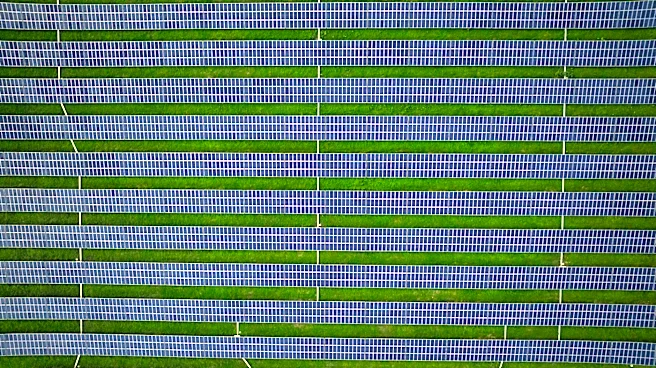
The International Renewable Energy Agency (IRENA) has identified critical thresholds in the transition to renewable energy, particularly focusing on the cost-competitiveness of solar and wind technologies. According to IRENA, utility-scale solar photovoltaics
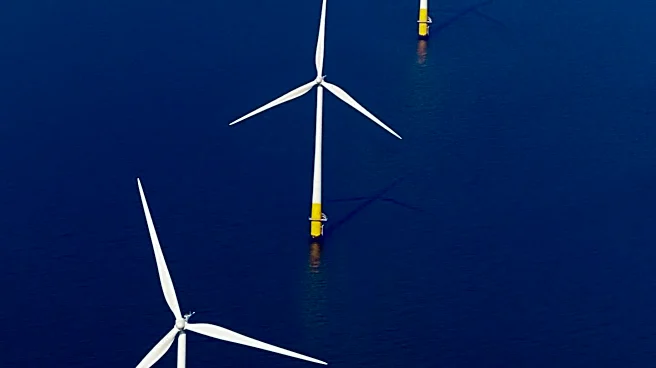
have achieved grid parity in major markets, with costs dropping below 0.03 USD per kilowatt-hour in sun-rich regions. This development marks a significant milestone in making renewable energy a cost-effective alternative to fossil fuels. The report also highlights the role of wind energy, with onshore turbine costs decreasing, enabling projects with levelized costs under 5 cents per kilowatt-hour.
Why It's Important?
Achieving grid parity is a crucial step in the widespread adoption of renewable energy, as it makes solar and wind power economically viable without the need for subsidies. This shift not only supports the global transition to cleaner energy sources but also enhances energy security and reduces carbon emissions. The report underscores the importance of continued investment in infrastructure, workforce training, and regulatory frameworks to support the integration of renewable energy into existing power systems. As renewable energy becomes more affordable, it is likely to drive further innovation and expansion in the sector.
What's Next?
The report suggests that reaching higher integration levels of renewable energy will require advancements in grid modernization, energy storage, and sector coupling. Policymakers and industry leaders are encouraged to focus on creating supportive environments for renewable energy projects, including addressing challenges related to grid interconnections and permitting processes. As the industry evolves, there will be opportunities for new technologies and business models to emerge, further accelerating the transition to a sustainable energy future.