





What's Happening?
CNN journalist Jake Tapper featured student journalist Cat Murphy on national television after her viral confrontation with U.S. Rep. Andy Harris. Murphy, a graduate student at the University of Maryland’s Philip Merrill College of Journalism, was covering
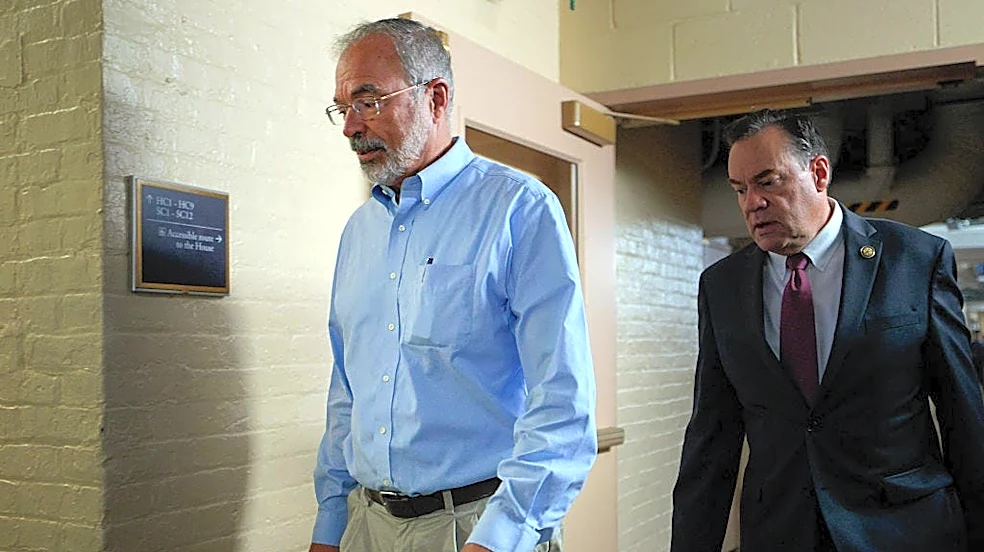
a post-debate Q&A session in Cambridge, Maryland, when Congressman Harris demanded she stop recording, citing Maryland’s two-party consent wiretapping laws. Despite being in a public forum with other press present, Harris insisted she cease recording and threatened a criminal referral. Murphy maintained her composure, asserting that they were in public. Footage of the incident, initially captured by The Baltimore Banner, quickly went viral and was subsequently picked up by national news outlets, including ABC News. Media law experts and journalism organizations clarified that two-party consent laws do not apply to elected officials answering press questions in public settings. Murphy stated her focus was on doing her job and asking questions, and she has no intention of discontinuing her reporting career.
Why It's Important?
This incident highlights the increasing challenges faced by local journalists in holding public figures accountable and underscores the importance of press freedoms in the U.S. The confrontation, which gained national attention through platforms like CNN, serves as a public education moment regarding the rights of journalists and the limitations of wiretapping laws in public settings. For student journalists like Cat Murphy, it provides a real-world lesson in navigating political pressure and upholding journalistic principles. The widespread coverage, including the feature on Jake Tapper's program, amplifies the message that attempts to suppress reporting, even by elected officials, will be scrutinized. This event could encourage greater awareness among the public and journalists about media rights, potentially fostering a more resilient and informed press corps in the face of hostility. It also emphasizes the role of national media in bringing local press freedom issues to a broader audience.
What's Next?
The incident involving Cat Murphy and Congressman Harris is likely to continue to be a point of discussion within journalism circles and potentially in broader conversations about press freedom and the conduct of public officials. While no specific legal actions against Murphy are indicated, the clarity provided by media law experts regarding the inapplicability of two-party consent laws in such public scenarios may deter similar attempts to restrict reporting in the future. The attention garnered by Murphy's steadfastness could inspire other journalists, particularly those early in their careers, to stand firm against intimidation. Furthermore, the event may prompt news organizations and journalism schools to reinforce training on legal rights and ethical conduct in reporting, especially when interacting with political figures. The ongoing dialogue around this incident will contribute to the evolving landscape of media-politician relations in the U.S.
Beyond the Headlines
The confrontation between Cat Murphy and Congressman Harris delves into deeper implications concerning the erosion of trust in media and the weaponization of legal interpretations to stifle reporting. The Congressman's attempt to invoke wiretapping laws in a public setting, despite legal precedent, reflects a broader trend of public figures challenging the legitimacy of journalistic practices. This incident raises questions about the civic education of elected officials regarding constitutional rights, particularly the First Amendment. Culturally, it underscores the growing polarization where even basic journalistic functions are viewed with suspicion or hostility. Murphy's calm and resolute response, amplified by national platforms like CNN, serves as a powerful counter-narrative, demonstrating the importance of journalistic integrity and resilience. This event could contribute to a re-evaluation of how public officials interact with the press and the need for clearer guidelines to protect the free flow of information in a democratic society.