






What's Happening?
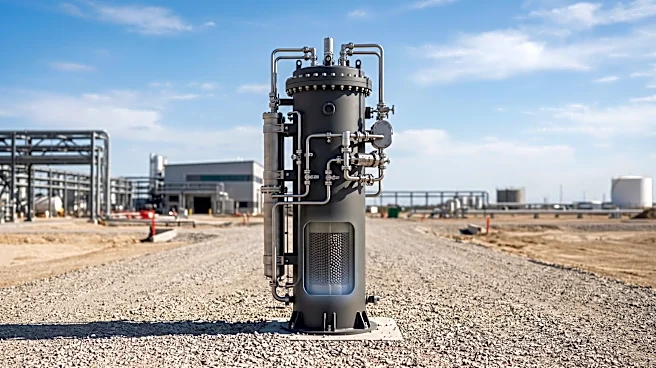
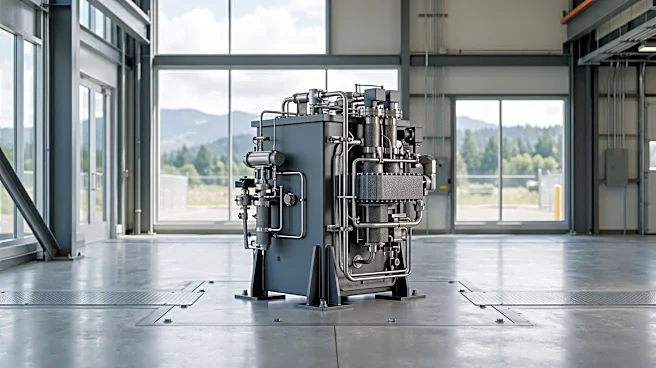
The United States and Thailand are solidifying their partnership on Small Modular Reactors (SMRs), moving from conceptual discussions to practical implementation. This collaboration involves U.S.-funded feasibility studies, the establishment of a new
legal framework through a '123 Agreement,' and a joint effort to develop a skilled workforce and infrastructure. Thailand's draft Power Development Plan aims to have its first SMR operational by 2037, with a target of 9,000 megawatts of nuclear capacity by 2050. Experts have identified a 'human gap,' or a shortage of skilled personnel such as regulators and operators, as the primary challenge to achieving the 2037 goal, estimating a decade is needed for workforce development. Thailand is also participating in the U.S. State Department’s FIRST program, which provides advice on various aspects of SMR deployment, including financing, licensing, and technology selection.
Why It's Important?
This partnership is crucial for Thailand's energy security and its net-zero commitments, as it faces rising electricity demand, declining domestic gas output, and volatile energy prices. SMRs offer a low-carbon, reliable baseload power source that can help meet these challenges. For the U.S., this collaboration strengthens its strategic influence in Southeast Asia and promotes its nuclear technology exports. The 'human gap' issue highlights a significant barrier to SMR deployment globally, emphasizing the need for robust workforce development programs. The U.S. FIRST program's role in providing comprehensive support underscores the importance of international cooperation in advancing nuclear energy. Successful implementation in Thailand could serve as a model for other developing nations considering SMR technology, demonstrating a viable path to clean energy and industrial growth.
What's Next?
Over the next 12 months, the primary focus will be on addressing the 'human gap' through training seminars, research exchanges, and joint educational partnerships between U.S. and Thai experts. Thailand plans to establish a national 'Nuclear Energy Programme Implementing Organisation' (NEPIO) and begin training regulators. From 2029 to 2032, the focus will shift to selecting a specific SMR technology and training operators. Subsequently, from 2032 to 2036, recruitment of construction workers and permanent plant staff will commence. The U.S. will continue to provide funding for feasibility studies and support through programs like FIRST, while also offering expertise in areas such as cybersecurity for energy infrastructure. Public outreach and trust-building initiatives, drawing from U.S. experiences, are also anticipated.
Beyond the Headlines
The U.S.-Thailand SMR partnership extends beyond energy generation, touching upon broader geopolitical and economic implications. It signifies a deepening of bilateral ties and a shared commitment to climate goals. The emphasis on workforce development and regulatory frameworks highlights the complex, long-term investment required for nuclear energy adoption. The potential for SMRs to provide process heat and steam makes them particularly attractive for Thai industries like pulp and paper, chemicals, and data centers, offering a pathway to industrial decarbonization. Furthermore, the discussion around financing smaller SMRs suggests a potential shift in the nuclear energy market, making it accessible to mid-sized firms rather than solely governments and large corporations, which could stimulate economic growth and innovation in the region.