







What's Happening?
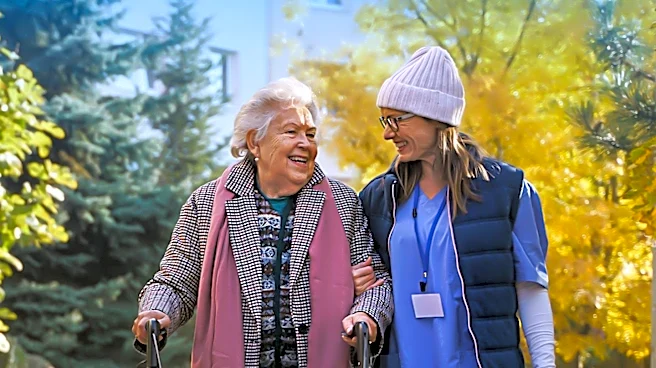
A study published in JAMA Network Open, which followed 4,067 adults in the U.K. with an average age of 69, suggests that an individual's usual walking pace may offer clues about their overall health and longevity. Participants underwent a short walking test
at their normal pace and wore wrist activity trackers for nine days to record their everyday walking speed. Over nearly 12 years of follow-up, faster walking speeds were consistently associated with a lower risk of death, even after accounting for other health and lifestyle factors. Beth Templin, a board-certified geriatric clinical specialist, refers to walking speed as the 'sixth vital sign,' indicating its comprehensive reflection of how various body systems—including legs, heart, lungs, balance, and the brain—are functioning together. A decline in walking speed can serve as an early warning sign of deteriorating health.
Why It's Important?
This research highlights the significance of a simple, observable metric—walking speed—as a potential indicator of health and longevity, particularly in older adults. For healthcare providers in the U.S., this could offer a non-invasive and cost-effective tool for preliminary health assessments and identifying individuals at higher risk of adverse health outcomes. It underscores the importance of maintaining physical function as a key aspect of healthy aging. The findings could influence public health recommendations, encouraging not just more walking, but also efforts to improve walking speed through strength and balance training. This could lead to more targeted interventions aimed at preserving mobility and overall health in the aging population, potentially reducing healthcare costs associated with age-related decline.
What's Next?
For older adults looking to improve their walking speed and overall fitness, experts suggest focusing on building strength and balance rather than just increasing the number of steps. Recommendations include leg-strengthening exercises, such as standing up from a chair without using hands and heel raises, as well as incorporating short bursts of faster walking into routines. While the study shows an association, further research is needed to determine if simply walking faster directly extends life and if these findings apply to diverse populations. Healthcare professionals may increasingly incorporate walking speed assessments into routine check-ups, and fitness programs for seniors might emphasize exercises designed to enhance gait and balance. The development of standardized methods for measuring everyday walking pace with activity trackers could also be a future area of focus.
Beyond the Headlines
The concept of walking speed as a 'sixth vital sign' extends beyond mere physical capability; it reflects the intricate interplay of neurological, cardiovascular, and musculoskeletal systems. A decline in walking speed can signal underlying issues that might not yet be apparent through standard diagnostic tests, offering a proactive window for intervention. This perspective encourages a holistic view of health, where functional mobility is seen as a critical indicator of systemic well-being. Culturally, it could shift perceptions of aging from an inevitable decline to a process where maintaining physical activity and functional capacity is paramount. Legally and ethically, this could influence policies related to elder care, rehabilitation, and even urban design, promoting environments that support and encourage active mobility throughout life.