
What's Happening?
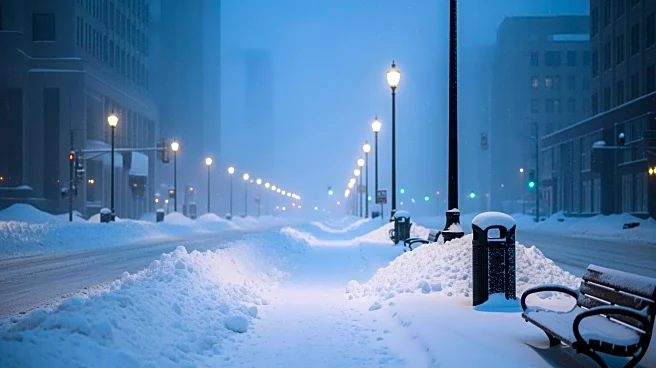
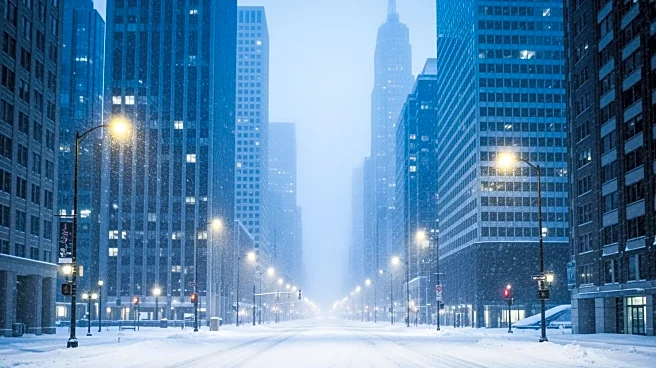
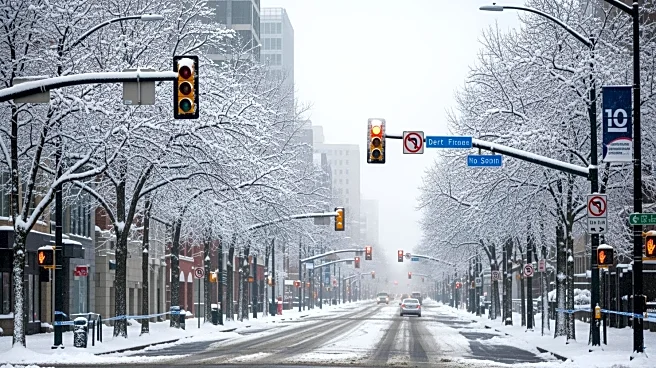
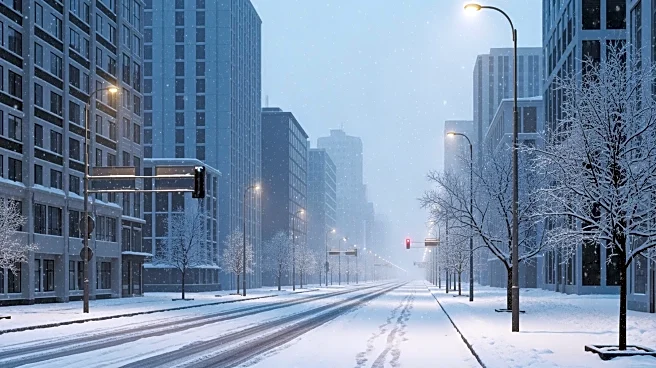
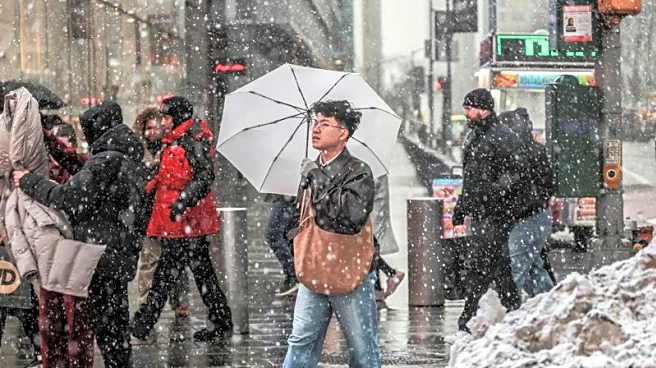
New York City and parts of New Jersey are recovering from a significant snowstorm that left over 20 inches of snow in some areas, with Staten Island recording the highest at 24.1 inches. The Metropolitan Transportation Authority (MTA) and NJ Transit have
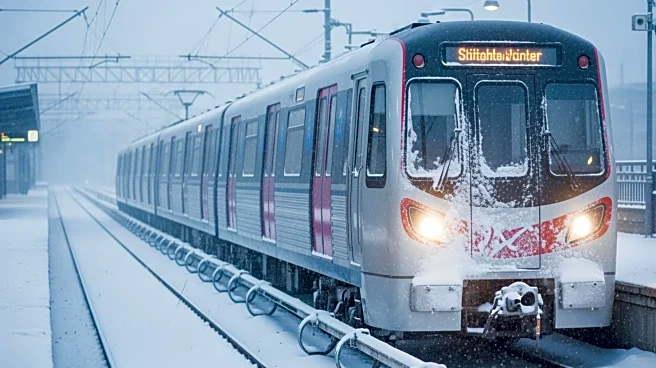
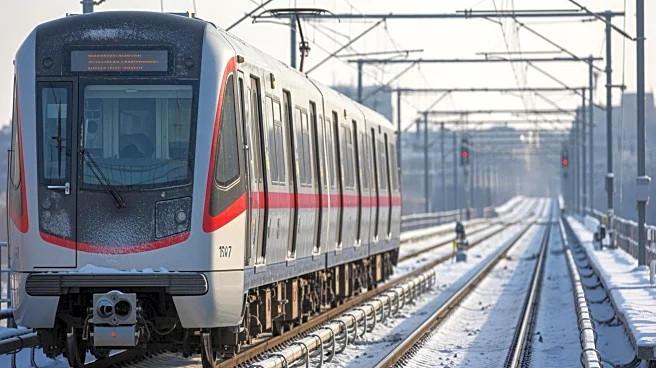
made several adjustments to their services to cope with the aftermath. The MTA announced that the Long Island Rail Road (LIRR) will resume limited service on several branches, including Ronkonkoma and Babylon, starting at 4 a.m. Tuesday. Metro-North Railroad will operate on an enhanced Saturday schedule, providing about two-thirds of regular weekday service. NJ Transit will resume commuter rail service on a holiday schedule with modifications, and light rail services have already begun limited operations. The snowstorm has also led to the suspension of alternate side parking in New York City for the week.
Why It's Important?
The snowstorm has significantly impacted transportation in one of the busiest metropolitan areas in the United States, affecting daily commutes and logistics. The adjustments by MTA and NJ Transit are crucial for maintaining mobility and ensuring safety for commuters. The storm's impact on transportation highlights the vulnerability of urban infrastructure to extreme weather events, which are becoming more frequent due to climate change. The ability of transit authorities to quickly adapt and restore services is vital for economic stability and public safety. The situation also underscores the importance of emergency preparedness and the need for robust infrastructure to withstand such events.
What's Next?
As the city and surrounding areas continue to dig out from the snow, transportation services are expected to gradually return to normal. The MTA and NJ Transit will likely monitor conditions closely and make further adjustments as necessary. Commuters should anticipate potential delays and service changes in the coming days. The weather forecast suggests a warming trend, which may aid in snow removal efforts. However, authorities are urging residents to remain cautious due to icy conditions. The response to this storm may prompt discussions on improving infrastructure resilience and emergency response strategies in the face of future weather events.