







What's Happening?
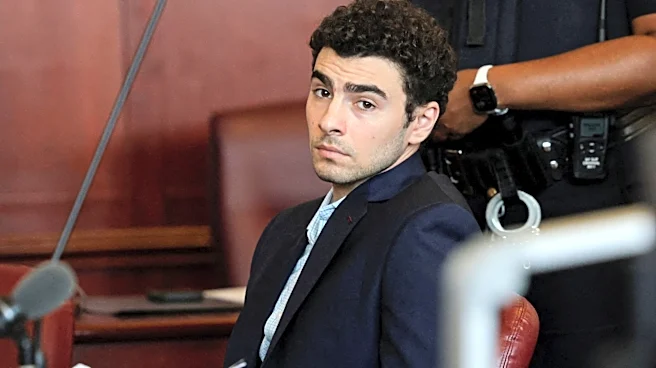
Pablo Aguilar-Alvarez, a 36-year-old migrant from El Salvador with four felony DWI convictions, was recently taken into custody by U.S. Immigrations and Customs Enforcement (ICE) in Suffolk County, New York. This action follows his arrest in Riverhead
for driving without a license, less than two weeks after a Long Island judge released him without bail following his fourth DWI conviction. Aguilar-Alvarez had been convicted of felony drunk driving by a jury and was awaiting sentencing, which could have resulted in up to seven years in prison. Despite explicit instructions not to drive, he was pulled over and issued a summons for misdemeanor aggravated unlicensed operation of a motor vehicle. Prosecutors consulted with federal immigration authorities, leading to his transfer to ICE custody. Aguilar-Alvarez was previously deported in March 2024 after his third DWI conviction and subsequently re-entered the U.S. illegally.
Why It's Important?
This case highlights significant issues within the U.S. immigration and judicial systems, particularly concerning repeat offenders and public safety. The decision by Suffolk County Judge Bryan Browns to release a four-time felony DWI convict without bail, despite his extensive criminal history and prior deportation, raises questions about judicial discretion and its potential impact on community safety. The subsequent re-arrest and transfer to ICE underscore the challenges in enforcing immigration laws and preventing individuals with a history of serious offenses from re-entering the country. This situation could fuel debates about stricter bail reform measures, enhanced inter-agency cooperation between local law enforcement and federal immigration authorities, and the effectiveness of current deportation and re-entry prevention protocols. The case also brings to the forefront the ongoing discussion about the balance between judicial leniency and the protection of the public from individuals deemed a 'clear and present danger,' as stated by District Attorney Ray Tierney.
What's Next?
District Attorney Ray Tierney has indicated plans to bring Pablo Aguilar-Alvarez back to Suffolk County to face sentencing for his fourth felony DWI conviction, in addition to the new summons for driving without a license. His current detention by ICE suggests that deportation proceedings will likely be initiated or continued, given his prior deportation and illegal re-entry. The outcome of his sentencing in Suffolk County will determine the legal consequences he faces within the U.S. judicial system, while ICE will pursue his removal from the country. This case may also prompt further scrutiny of judicial decisions regarding bail for repeat offenders, potentially leading to calls for policy reviews or legislative changes to address perceived loopholes in the justice system that allow individuals with serious criminal histories to be released. The incident could also intensify discussions around border security and immigration enforcement strategies.
Beyond the Headlines
This incident delves into the complex interplay between state criminal justice and federal immigration enforcement, revealing potential gaps and points of contention. The release of a repeat felony DWI offender without bail, especially one with a history of deportation and illegal re-entry, exposes a systemic vulnerability that can be exploited. It raises ethical questions about the responsibility of the judiciary to protect the public versus upholding individual liberties, particularly when an individual poses a demonstrable risk. The case could also exacerbate public sentiment regarding illegal immigration and its perceived impact on public safety, potentially influencing future policy debates on immigration reform and border control. Furthermore, it highlights the persistent challenge of managing individuals who repeatedly violate laws and immigration orders, and the resource strain this places on both local and federal agencies. The long-term implications could include increased pressure for more stringent immigration enforcement and a re-evaluation of judicial practices concerning bail for dangerous offenders.