

What's Happening?
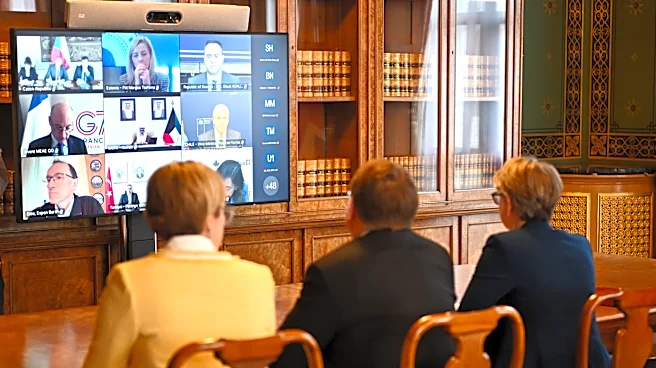
UK Prime Minister Keir Starmer has announced that Britain will host diplomatic talks involving 35 nations to discuss reopening the Strait of Hormuz, a critical waterway for global oil transit. Notably, the United States will not be part of these discussions.
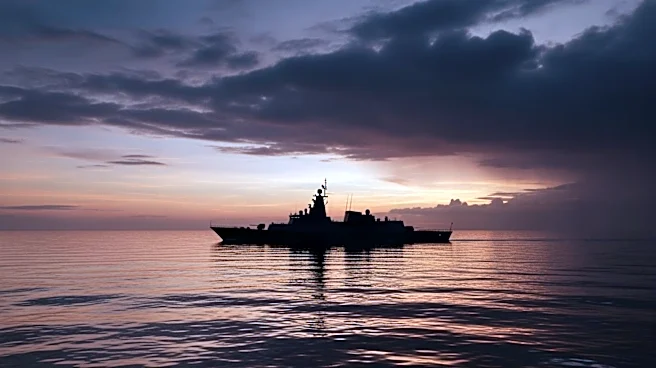
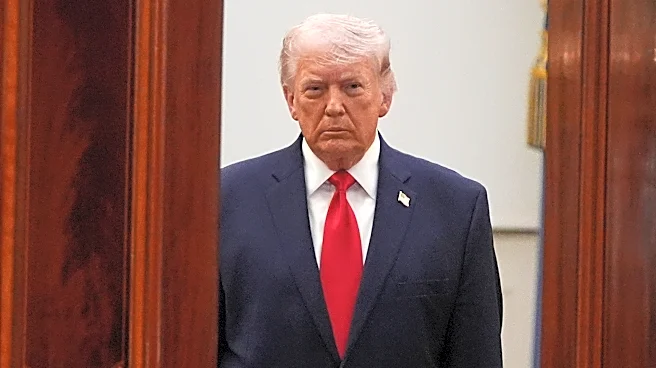
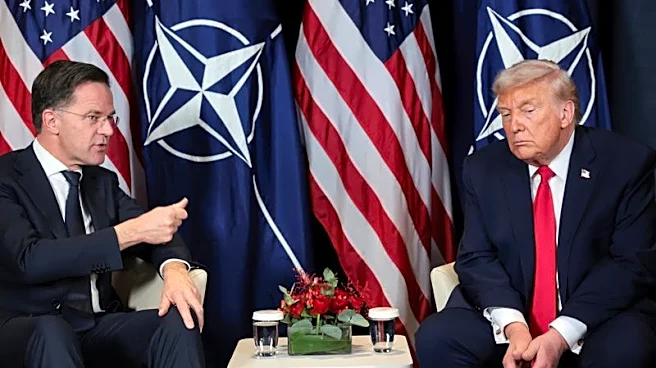
This move comes amid heightened tensions between President Donald Trump and European allies over the ongoing conflict with Iran. Trump has criticized European nations for their reluctance to support the US-led military actions in Iran, even threatening to withdraw from NATO. The talks aim to explore diplomatic solutions to ensure safe passage for ships and restore freedom of navigation in the region. Iran's Revolutionary Guards have asserted control over the strait, complicating the situation further.
Why It's Important?
The exclusion of the US from these talks signifies a potential shift in international alliances and diplomatic strategies, particularly in the context of the Iran conflict. The Strait of Hormuz is a vital chokepoint for the global oil supply, and its closure could have significant economic repercussions worldwide. The diplomatic efforts led by the UK could influence future geopolitical dynamics, especially if successful in easing tensions and reopening the strait. This development also highlights the growing rift between the US and its traditional European allies, which could impact NATO's cohesion and effectiveness.
What's Next?
The outcome of the talks could lead to a new diplomatic framework for managing the Strait of Hormuz, potentially reducing military tensions in the region. However, the exclusion of the US might provoke further diplomatic challenges, especially if the talks result in agreements that conflict with US interests. European nations may need to navigate their relationships with both the US and Iran carefully, balancing security concerns with economic interests. The situation also raises questions about the future of NATO and the role of the US in European security.