


What's Happening?
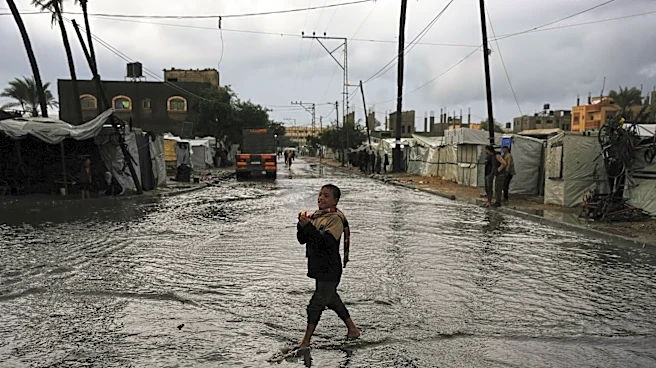
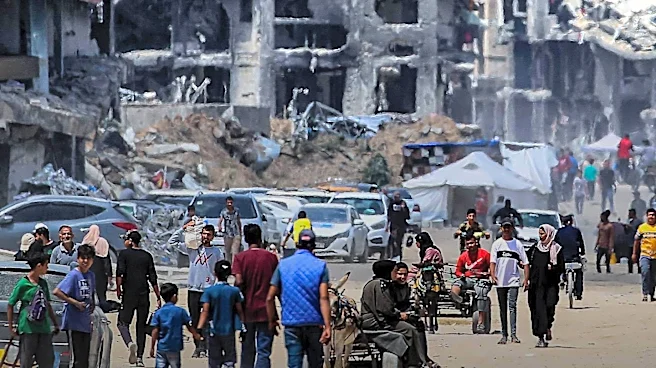
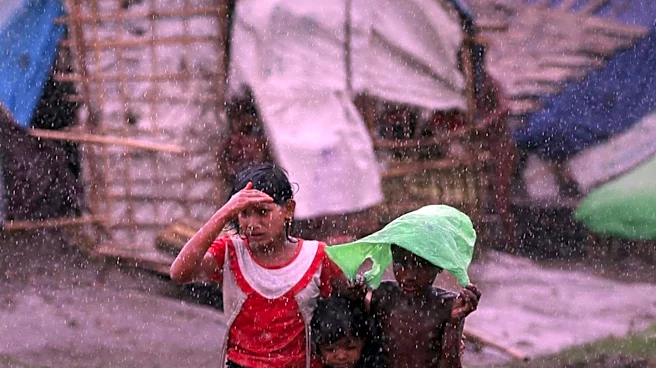
Heavy rainfall has caused widespread flooding across the Gaza Strip, severely impacting thousands of displaced Palestinian families living in tents and further endangering those in buildings damaged by Israeli bombardments. According to Gaza's Government
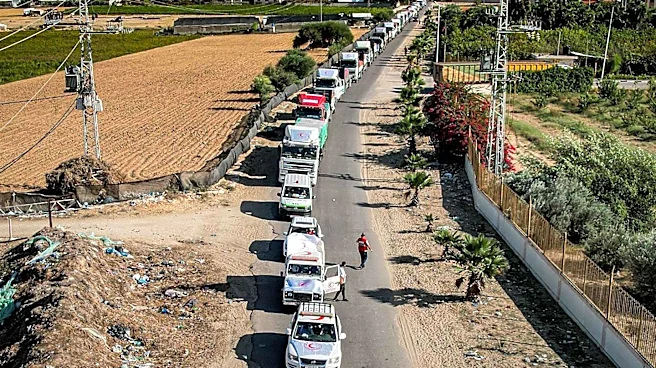
Media Office, approximately 70,000 tents have been flooded within 12 hours of the first winter storm, leading to an estimated $3 million in initial losses. Gaza's civil defense agency reported receiving around 1,500 distress calls in just 10 hours, with water levels rising by 30-40 cm in several shelter sites. The storm has also led to the collapse of some damaged buildings and injuries to residents. The Gaza Municipality is struggling to respond due to damaged infrastructure, including 15 kilometers of drainage lines and 212 kilometers of sewage networks, with eight pumping stations out of service. Aid groups attribute the crisis to Israeli restrictions on the entry of shelter and reconstruction materials, with 50,000 tents reportedly awaiting entry on the Egyptian side of the border.
Why It's Important?
This event highlights the severe and deteriorating humanitarian crisis in Gaza, where the population, already displaced and living in precarious conditions, is now facing the added threat of harsh winter weather. The flooding not only destroys what little shelter and belongings families possess but also poses significant health risks, particularly for vulnerable groups like premature babies, the elderly, and the sick, due to exposure and the mixing of sewage with rainwater. The inability of local authorities and aid organizations to adequately respond, largely due to damaged infrastructure and restrictions on essential supplies, underscores the profound impact of the ongoing conflict on civilian life and basic services. The situation also draws attention to the broader geopolitical context, with calls for the international community to pressure Israel to allow more aid and reconstruction materials into the territory, emphasizing the urgent need for humanitarian access and protection for civilians.
What's Next?
The immediate future for displaced families in Gaza involves continued struggle against the elements, with the onset of winter expected to bring more severe weather. Without significant intervention, the humanitarian situation is likely to worsen, leading to increased illness, displacement, and potential fatalities. International organizations and aid groups will likely intensify their calls for increased humanitarian access and the lifting of restrictions on essential supplies, including tents, heating materials, and reconstruction resources. The Gaza Municipality will continue its efforts to clear drains and repair infrastructure, but these actions are severely hampered by shortages of fuel, equipment, and spare parts. The long-term outlook remains bleak without a resolution to the underlying conflict and a concerted effort to rebuild damaged infrastructure and provide adequate housing for the displaced population.
Beyond the Headlines
Beyond the immediate humanitarian catastrophe, this situation exposes the long-term consequences of prolonged conflict and blockade on civilian infrastructure and resilience. The inability to repair and maintain essential services like drainage and sewage systems creates a cycle of vulnerability, making the population susceptible to natural disasters even in periods of relative calm. The destruction of homes and the forced displacement of hundreds of thousands of people have created a generation living in makeshift shelters, facing repeated hardships. This also raises questions about accountability for the destruction of civilian infrastructure and the responsibility of all parties to ensure the protection and well-being of civilians in conflict zones. The ongoing crisis in Gaza serves as a stark reminder of the devastating human cost of protracted conflicts and the urgent need for sustainable solutions that prioritize humanitarian needs and long-term recovery.