





What's Happening?
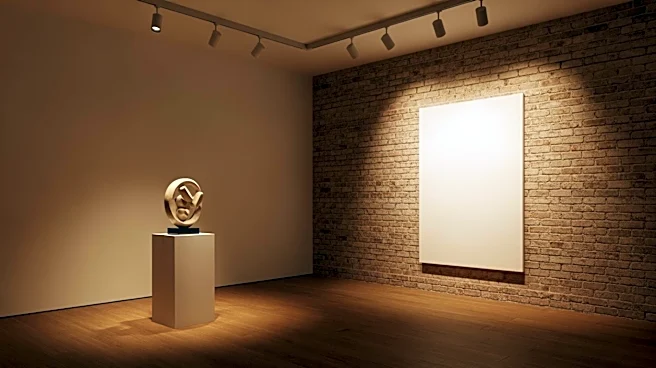
Paula Cooper, a prominent figure in the New York art world, opened her gallery in Soho in 1968, a time when the area was largely deserted. Her gallery, located on the third floor of a Prince Street walk-up, became a hub for artists who had taken over
the industrial lofts in the neighborhood. Cooper's close relationships with artists like Chris Wilmarth, Lynda Benglis, and Mark di Suvero helped her gallery thrive. By the early 1970s, she had purchased a building on Wooster Street, where her gallery remained until moving to Chelsea in the mid-1990s. Cooper's gallery was instrumental in transforming Soho into a vibrant art district, attracting other galleries and institutions to the area.
Why It's Important?
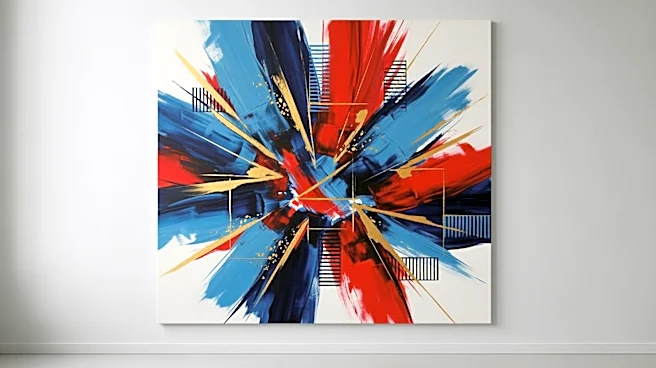
Paula Cooper's gallery played a crucial role in the development of Soho as a major art district in New York City. Her decision to open a gallery in a then-desolate area demonstrated a visionary approach that encouraged other galleries to follow suit, leading to a cultural and economic revitalization of the neighborhood. This transformation not only provided a platform for contemporary artists but also contributed to the broader art market and cultural landscape of New York City. Cooper's pioneering efforts highlight the impact of strategic location choices and community building in the art world.