
What's Happening?
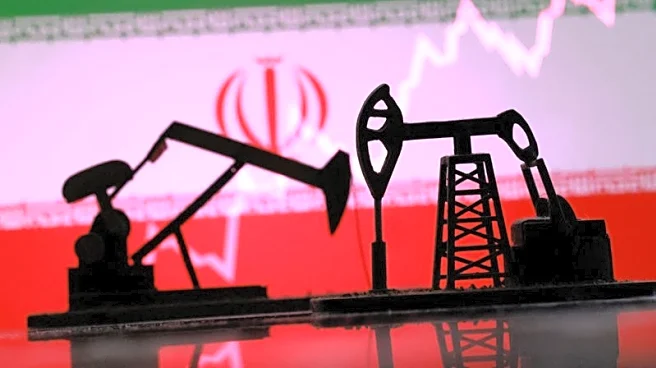
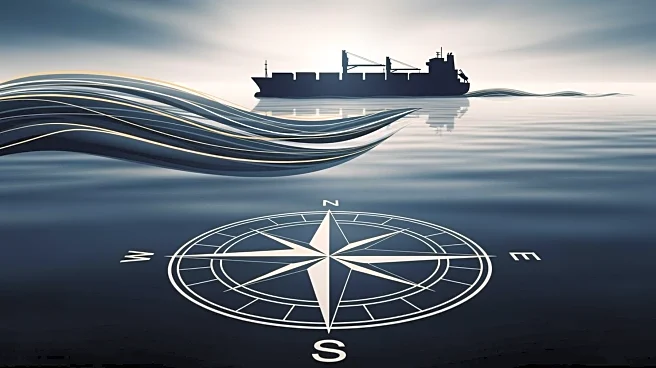
Iran is implementing a new vetting and registration system for ships transiting the Strait of Hormuz, as reported by Lloyd’s List. This development comes amid a 'selective' blockade of the strategic waterway by Iran's Islamic Revolutionary Guard Corps
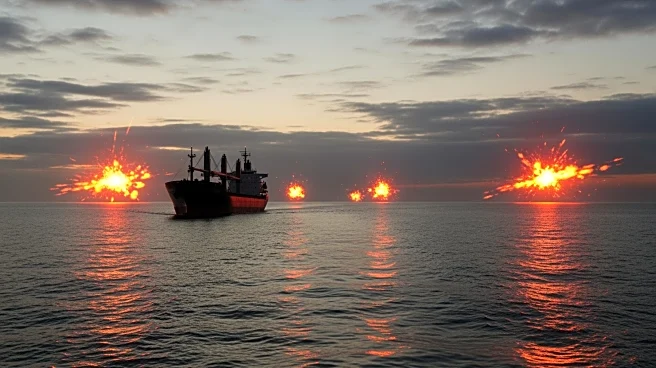
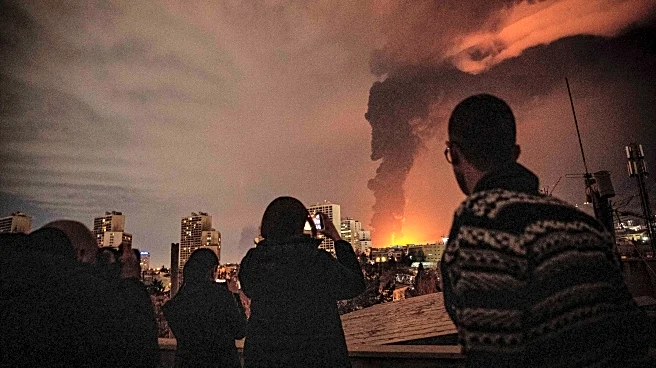
(IRGC). The system requires ships to provide detailed information about ownership and cargo destinations to the IRGC before transit. This move follows a significant reduction in traffic through the Strait, which has dropped by 95% since the onset of a conflict involving the United States and Israel. The Strait of Hormuz is a critical passage for about one-fifth of the world's oil supply. Some ships, primarily from Pakistan, India, and China, have managed to navigate the Strait, albeit with increased risks of attack. A new 'safe' corridor has been established, allowing limited passage, with reports of some vessels paying substantial fees for transit rights.
Why It's Important?
The introduction of this vetting system by Iran has significant implications for global energy markets and international shipping. The Strait of Hormuz is a vital chokepoint for oil transportation, and disruptions can lead to increased oil prices and supply chain challenges. The new system poses additional security risks and operational challenges for shipping companies, which may face higher insurance costs and logistical hurdles. The situation underscores the geopolitical tensions in the region and their potential to impact global trade. Countries reliant on oil imports through the Strait may need to seek alternative routes or suppliers, potentially affecting global oil distribution and pricing.
What's Next?
As the conflict continues, shipping companies and countries will need to assess the risks and benefits of using the new corridor. Insurers and maritime operators will play a crucial role in determining the viability of this route. The ongoing geopolitical tensions may lead to further diplomatic negotiations or military actions, influencing the stability of the region. Companies may also explore alternative shipping routes or increase security measures to mitigate risks. The long-term impact on global oil markets and shipping logistics will depend on the resolution of the conflict and the effectiveness of Iran's new system.