







What's Happening?
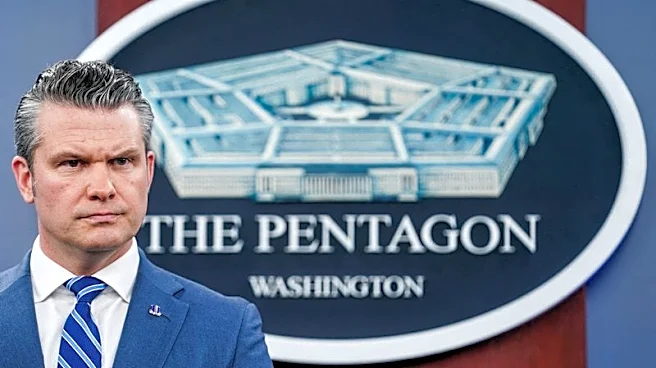
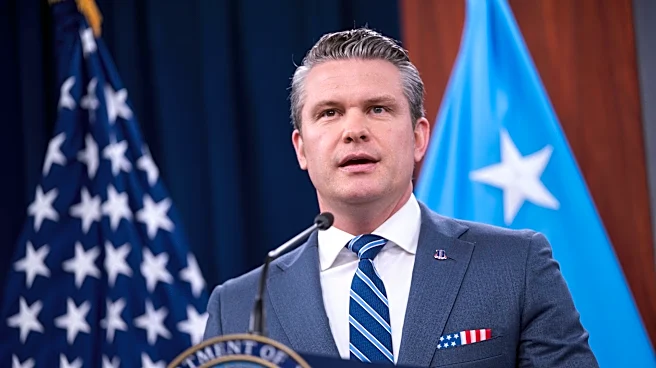
Recent decisions by the Pentagon regarding its workforce have sparked concerns about capacity and consent. The National Background Investigation Services (NBIS) faces delays and management issues, impacting the efficiency of security clearance processes.
Additionally, the Pentagon's request for civilian employees to volunteer for temporary assignments in immigration enforcement has raised questions about the voluntariness of such deployments. These developments highlight ongoing challenges in managing the defense workforce and ensuring mission readiness.
Why It's Important?
The issues with NBIS and voluntary deployments underscore the complexities of managing a large and diverse federal workforce. Delays in security clearances can hinder talent acquisition and retention, affecting the Pentagon's ability to fulfill its mission. The concerns about voluntariness in deployments reflect broader issues of employee rights and morale. These challenges are particularly pressing as the federal government faces a wave of retirements and the need to attract new talent in a competitive job market.
What's Next?
Addressing these workforce challenges will require strategic reforms and improved management practices. The Pentagon may need to streamline its clearance processes and enhance its support for employees facing deployment requests. Ensuring transparency and fairness in these processes will be crucial for maintaining employee trust and morale. As the defense sector navigates these issues, it will be important to balance operational needs with employee rights and well-being.