








What's Happening?
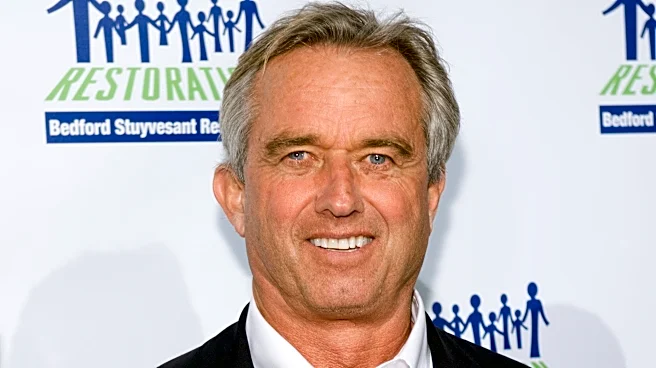
U.S. Health and Human Services Secretary Robert F. Kennedy Jr. visited a ranch near Bismarck, North Dakota, to discuss the critical link between soil health and human health. During a roundtable on regenerative agriculture at the Black Leg Ranch, Secretary Kennedy highlighted
how the vitality of soil directly impacts the human gut, which he stated influences overall health, emotions, moods, energy levels, and individual effectiveness. The event, held on November 5, 2026, included Senators John Hoeven and Kevin Cramer, both Republicans from North Dakota. Reporters were granted access for a limited 15-minute segment of the approximately 90-minute discussion, during which Secretary Kennedy elaborated on his views regarding the profound connection between agricultural practices and public health outcomes.
Why It's Important?
This visit underscores a growing recognition within high-level U.S. government circles of the interconnectedness between environmental sustainability and public health. Secretary Kennedy's focus on soil health suggests a potential shift towards integrating agricultural policy with health policy, moving beyond traditional healthcare models to address root causes of well-being. For U.S. agriculture, this could signal increased support for regenerative farming practices, potentially leading to new funding opportunities, research initiatives, and consumer demand for sustainably produced food. Farmers adopting these methods might see economic benefits, while the broader public could benefit from improved food quality and reduced health issues linked to diet. The involvement of North Dakota senators also highlights the bipartisan interest in these issues, particularly in agricultural states.
What's Next?
The emphasis placed by Secretary Kennedy on soil health could lead to future policy discussions and initiatives aimed at promoting regenerative agriculture across the United States. This might include federal grants for farmers transitioning to sustainable practices, educational campaigns to inform the public about the benefits of healthy soil, or research funding to further explore the gut-soil axis. Stakeholders in the agricultural sector, environmental groups, and public health organizations will likely monitor these developments closely, advocating for policies that support these principles. The engagement of senators from an agricultural state like North Dakota suggests that legislative efforts could emerge to support these concepts, potentially influencing future farm bills or health legislation.
Beyond the Headlines
Secretary Kennedy's remarks delve into a deeper philosophical and scientific understanding of health, moving away from a purely symptomatic approach to one that considers ecological foundations. This perspective challenges conventional views on food production and medicine, suggesting that human health is inextricably linked to the health of the planet. Ethically, it raises questions about the responsibility of food producers and policymakers to ensure practices that benefit both the environment and public well-being. Legally, it could pave the way for new regulations or incentives that prioritize ecological health in agricultural practices. Culturally, it may foster a greater appreciation for the origins of food and the intricate biological systems that sustain life, potentially shifting consumer preferences towards more sustainably grown products and fostering a more holistic view of health.