



What's Happening?
Michigan Governor Gretchen Whitmer is actively campaigning against a ballot proposal that would initiate a constitutional convention in the state. This proposal, appearing as Proposal One on the November ballot, asks voters every 16 years whether they
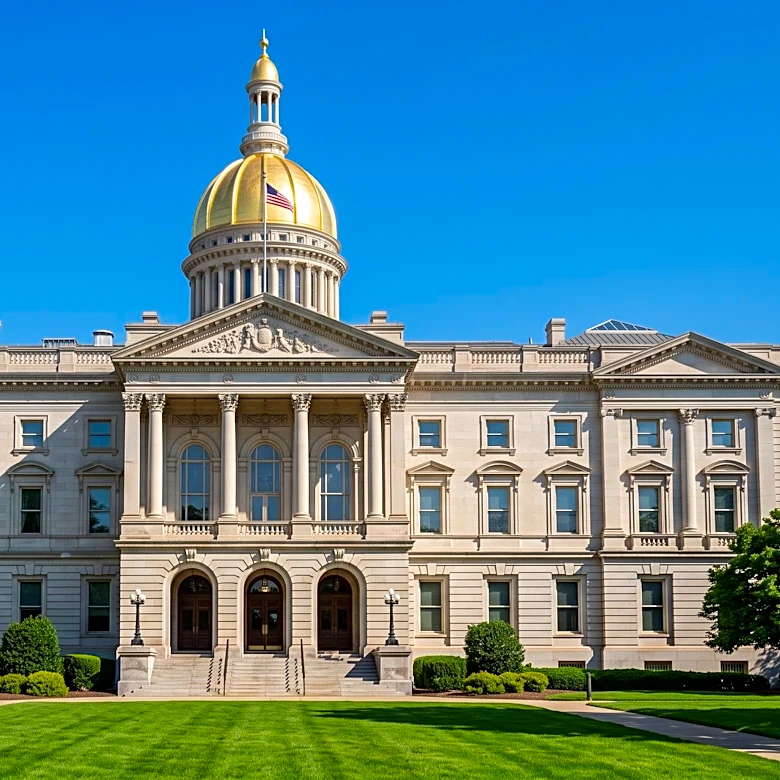
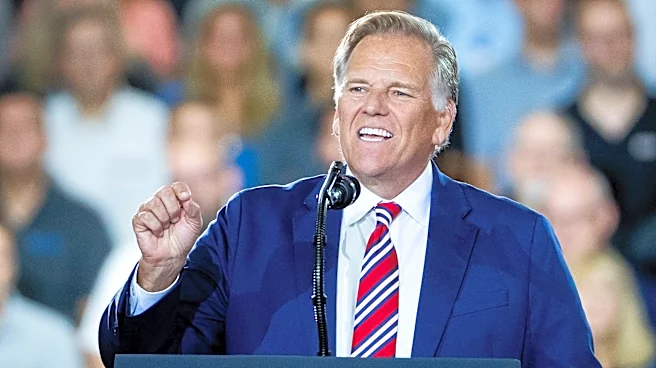
wish to draft a new state constitution. Governor Whitmer, a Democrat, argues that approving this measure could jeopardize abortion rights, which were enshrined in Michigan's constitution by voters in 2022. She joined reproductive rights advocates in a virtual press conference to emphasize her concerns, stating that a constitutional convention could allow politicians to 'roll back and undermine women's reproductive freedom.' If passed, delegates would be elected in a special election and would convene next year in Lansing to potentially rewrite the state's constitution from scratch, putting all existing constitutional provisions, including abortion rights, up for debate.
Why It's Important?
The debate over a constitutional convention in Michigan carries significant implications for the state's legal and social landscape, particularly concerning reproductive rights. The 2022 vote to enshrine abortion access in the state constitution was a landmark decision, and the prospect of a convention re-opening this issue highlights the ongoing national struggle over abortion access post-Roe v. Wade. If a convention were to occur, it could lead to a complete overhaul of the state's foundational document, potentially affecting a wide range of rights and protections beyond just abortion. This situation underscores the power of state-level constitutional provisions in safeguarding or challenging established rights, and the potential for political shifts to impact fundamental freedoms. The outcome will demonstrate the extent to which voters prioritize the stability of existing constitutional protections versus the desire for broader constitutional reform.
What's Next?
Michigan voters will decide on Proposal One in the upcoming November election. If the proposal passes, delegates would be chosen in a special election and would convene in Lansing next year to begin drafting a new state constitution. Any changes proposed by this convention would then need to be approved by the state legislature and subsequently presented to the state's voters for ratification. Governor Whitmer and reproductive rights advocates are expected to continue their campaign to educate voters on what they perceive as the risks of a constitutional convention, particularly regarding abortion access. Conversely, supporters of the convention, including some Republican political consultants, argue that a new constitution could address issues such as high taxes, loss of local control, and government affordability, indicating a continued public debate leading up to the vote.
Beyond the Headlines
The discussion surrounding Michigan's constitutional convention extends beyond the immediate concern of abortion rights, touching upon deeper questions of democratic process, special interest influence, and the stability of constitutional law. Critics, including the ACLU of Michigan, point to the lack of clear guidelines for public oversight in a constitutional convention, contrasting it with the transparent process of the 2022 ballot measure that enshrined abortion access. This raises concerns about the potential for special interests to unduly influence the drafting of a new constitution, potentially overriding the will of the people as expressed in previous votes. The last constitutional convention in Michigan occurred in the 1960s, meaning most current voters have no direct experience with such a process, making public education and awareness crucial. The outcome will not only shape Michigan's future but could also serve as a precedent for other states considering similar constitutional revisions, highlighting the ongoing tension between constitutional flexibility and the protection of established rights.