







What's Happening?
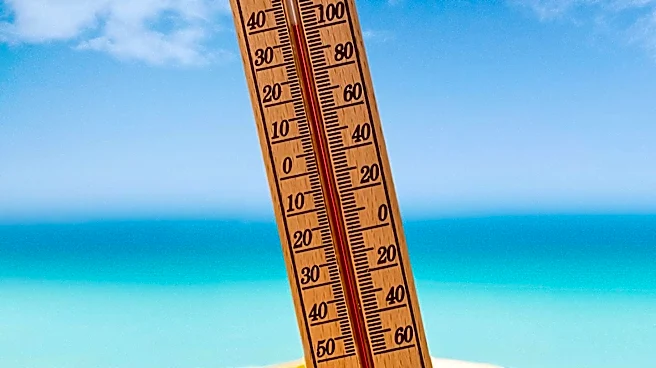
Cook County has reported six heat-related deaths in July, marking the deadliest month for such fatalities in over a decade. The victims, mostly under 60, succumbed to conditions exacerbated by extreme heat, with temperatures reaching the upper 90s and
heat indexes surpassing 100 degrees. The Cook County medical examiner's office noted that many heat-related deaths are often misclassified, suggesting the actual toll could be higher. The recent deaths include individuals with underlying health conditions such as heart disease, diabetes, and obesity, which are aggravated by high temperatures. The National Oceanic and Atmospheric Administration highlights that heat is the leading cause of weather-related deaths in the U.S., surpassing other natural disasters.
Why It's Important?
The rising number of heat-related deaths in Cook County underscores the growing threat of climate change and its impact on public health. As temperatures continue to rise, vulnerable populations, including those with pre-existing health conditions, are at increased risk. The situation calls for improved public health strategies and infrastructure, such as accessible cooling centers, to mitigate the effects of extreme heat. The trend also highlights the need for broader climate action to address the root causes of global warming and prevent further loss of life.
What's Next?
In response to the increasing frequency of heat waves, local authorities may need to enhance public awareness campaigns and emergency response plans. This could involve expanding access to cooling centers and ensuring they remain open during critical periods. Additionally, policymakers might consider implementing long-term strategies to reduce greenhouse gas emissions and invest in sustainable urban planning to create more resilient communities.