






What's Happening?
The state of Massachusetts has directed $18.2 million towards two affordable housing developments in Cambridge. This funding is part of a larger statewide initiative by Governor Maura Healey's administration, totaling $276 million, aimed at increasing
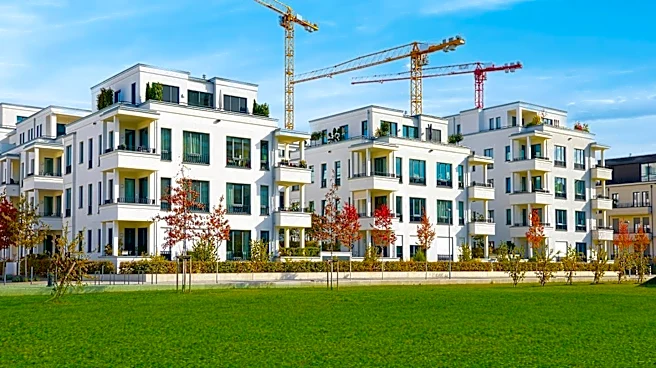
affordable housing options across 20 communities. Cambridge was one of five communities to receive financing for more than one development. The Massachusetts Executive Office of Housing and Livable Communities (EOHLC) confirmed that the Cambridge allocation will support projects on Wendell Street and at Corcoran Park. These two awards are expected to create a total of 162 affordable rental units. Homeowners Rehab Inc. plans to construct 95 new homes for families and seniors at 28-30 Wendell Street. At Corcoran Park in Strawberry Hill, the Cambridge Housing Alliance (CHA) will receive approximately $5.6 million for the first phase of redevelopment, which involves replacing a flood-prone 29-unit building with 67 new apartments and townhomes. Both projects have already completed the necessary zoning through Cambridge's Affordable Housing Overlay process, which permits fully affordable buildings to exceed typical height limits.
Why It's Important?
This significant state investment addresses the pressing issue of housing affordability in Cambridge, where housing costs continue to be a major burden for residents. The creation of 162 new affordable rental units will provide much-needed relief for families and seniors struggling to find suitable housing. The funding also highlights the state's commitment to prioritizing affordable housing despite budget pressures, with the EOHLC awards being the largest in over a decade. By supporting projects that have already navigated local zoning, the state is facilitating the efficient development of these crucial housing units. This initiative serves as a model for how state and local governments can collaborate to tackle housing crises, demonstrating the impact of strategic financial allocation and streamlined regulatory processes. The redevelopment at Corcoran Park, in particular, will replace outdated, flood-prone units with modern, resilient housing, improving living conditions for current and future residents.
What's Next?
With the state financing secured, both affordable housing developments in Cambridge are now on track to begin construction in 2027. The 95-unit development on Wendell Street and the first phase of the Corcoran Park redevelopment, which will replace 29 units with 67 new apartments and townhomes, will proceed. City Manager Yi-An Huang emphasized that while Cambridge has made progress through zoning reform and funding commitments, crucial state support is indispensable. Mayor Sumbul Siddiqui expressed excitement about Governor Healey's commitment to making affordable housing a priority, indicating continued collaboration between state and local authorities. The success of these projects could influence future state funding rounds and encourage other communities to adopt similar innovative zoning reforms to expedite affordable housing construction. The broader debate over how public money shapes buildings and infrastructure in Massachusetts will likely continue, with housing decisions like Cambridge's serving as key examples.
Beyond the Headlines
The allocation of $18.2 million for affordable housing in Cambridge underscores a broader shift in how communities and states are addressing the housing crisis. By leveraging state and federal tax credits alongside subsidies, Massachusetts is employing a comprehensive financing approach to make these projects viable. The use of Cambridge's Affordable Housing Overlay process, which allows for increased building height for fully affordable developments, highlights an innovative regulatory strategy to overcome common development hurdles. This approach not only accelerates construction but also maximizes the number of affordable units in areas with high demand. The long-term implications extend beyond simply providing shelter; stable, affordable housing can lead to improved public health outcomes, educational attainment, and economic stability for residents. Furthermore, replacing older, flood-prone structures, as seen at Corcoran Park, demonstrates a commitment to resilient and sustainable urban development, preparing communities for future environmental challenges.