



What's Happening?
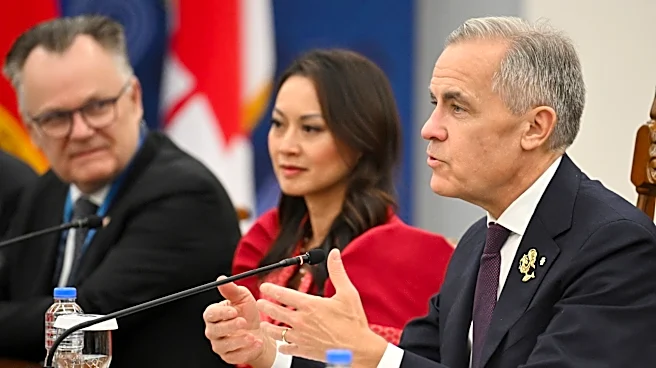
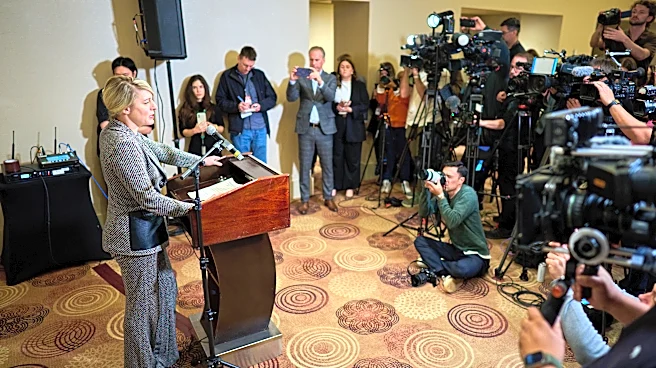
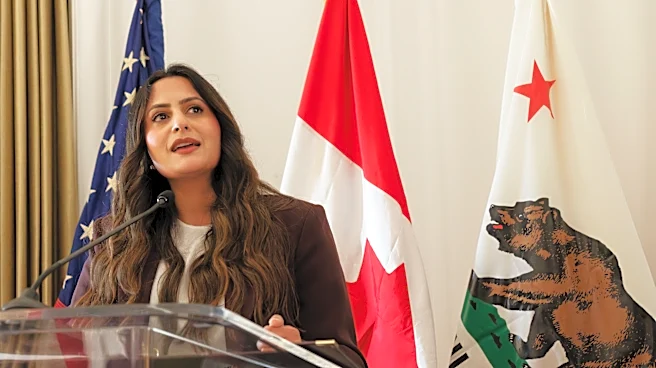
On November 15, 2026, the Honourable John Zerucelli, Secretary of State (Labour), visited the Burnhamthorpe Community Centre in Mississauga, Ontario, to highlight key investments from Canada's Budget 2026: Masters of our destiny. Accompanied by Peter
Fonseca, Member of Parliament for Mississauga East-Cooksville, Secretary Zerucelli emphasized the government's commitment to revitalizing community recreational facilities and ice rinks. Budget 2026 proposes a $1.5 billion investment over nine years through the Build Communities Strong Fund, with $750 million allocated for ice rinks and another $750 million for other community recreational facilities. These investments aim to extend the lifespan of aging facilities and provide modern spaces for communities. The budget also outlines broader initiatives to strengthen Canada's economy, including measures to boost productivity, diversify trade, create jobs, and make life more affordable for Canadians.
Why It's Important?
Budget 2026 represents a significant strategic plan for Canada, aiming to solidify its economic future and enhance national sovereignty. The substantial investment in community recreational facilities underscores the government's recognition of the importance of local infrastructure for social well-being and community cohesion. Beyond local impact, the budget's focus on mobilizing private capital, accelerating Canada's Investment Supercycle, and introducing tax policy changes like the Productivity Mega Deduction and the Canada Strong Fund are designed to attract global investors and foster long-term economic growth. These measures are crucial for Canadian businesses, startups, and innovators to scale and commercialize domestically, ultimately creating high-paying jobs and strengthening Canada's position in the global economy. The budget also addresses affordability concerns by enhancing benefits and supporting energy-efficient home retrofits.
What's Next?
Budget 2026 sets Canada on a path to meet its fiscal anchors, aiming to balance day-to-day operating spending with revenues by 2027-28, a year ahead of schedule, and maintain a declining deficit-to-GDP ratio. The proposed investments in infrastructure, economic competitiveness, and social programs will be rolled out over the coming years. The government anticipates that these initiatives will continue to drive job creation, improve living standards, and enhance Canada's global trade relationships. The implementation of the Canada Electricity Strategy, aiming to double grid capacity by 2050, and investments in nuclear energy and critical minerals are expected to further strengthen Canada's energy sector and create new economic opportunities. The budget also includes plans to end homelessness in 10 years and expand programs to lower food costs for Canadians.
Beyond the Headlines
The comprehensive nature of Budget 2026, extending beyond economic figures to include cultural, environmental, and social initiatives, reflects a holistic approach to national development. The Canada 160 Fund, renewed Canada Strong Pass, and free museum admission for youth highlight a commitment to arts, culture, and heritage, fostering national identity and accessibility. Protecting natural wealth through the Nature Strategy and advancing reconciliation with Indigenous Peoples through significant investments demonstrate a forward-looking vision for a more inclusive and sustainable Canada. These broader implications suggest a government aiming to build a resilient society that is not only economically strong but also culturally rich and environmentally responsible, positioning Canada as a leader in various global arenas.