






What's Happening?
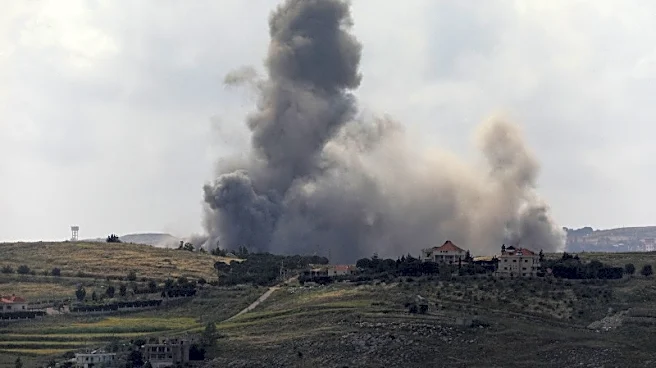
Oil prices have surged as President Trump issued a stern warning to Iran amidst stalled peace negotiations. The deadlock between the United States and Iran over reopening the Strait of Hormuz has heightened fears of a potential escalation in conflict.
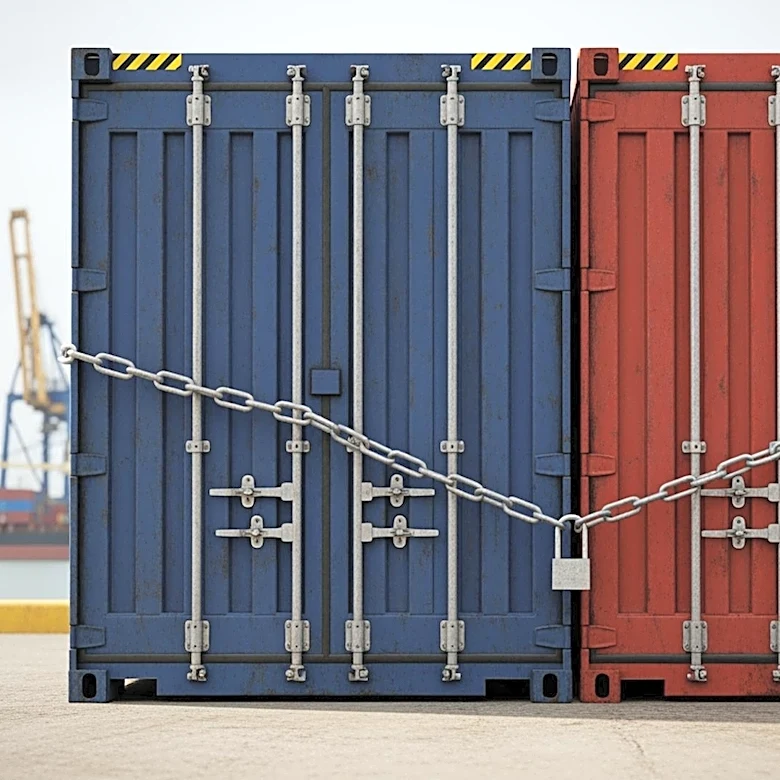
President Trump, in a Truth Social post, emphasized the urgency for Iran to act swiftly, suggesting that failure to do so could result in severe consequences. The Strait of Hormuz, a critical chokepoint for global oil and gas supply, remains mostly closed due to ongoing tensions. This situation has led to a significant rise in oil prices, with Brent crude futures for July increasing by 1.98% to $111.42 per barrel, and U.S. West Texas Intermediate futures for June climbing 2.43% to $107.98 per barrel.
Why It's Important?
The current impasse in U.S.-Iran relations and the closure of the Strait of Hormuz have significant implications for global oil markets. The strait is a vital passage for nearly a fifth of the world's oil supply, and its closure has contributed to record low oil inventories worldwide. The rise in oil prices could have widespread economic repercussions, affecting industries reliant on oil and potentially leading to increased costs for consumers. Additionally, the heightened tensions between the U.S. and Iran could destabilize the region further, impacting international relations and security. The situation underscores the fragility of global energy supply chains and the potential for geopolitical conflicts to disrupt economic stability.
What's Next?
The next steps in the U.S.-Iran negotiations remain uncertain, with the potential for either a diplomatic breakthrough or further escalation. Major stakeholders, including international energy agencies and global markets, will be closely monitoring the situation. Any resolution to reopen the Strait of Hormuz could stabilize oil prices and ease supply concerns. Conversely, a failure to reach an agreement may lead to increased military tensions and further disruptions in oil supply. The international community may also seek to mediate or influence the negotiations to prevent a broader conflict.