






What's Happening?
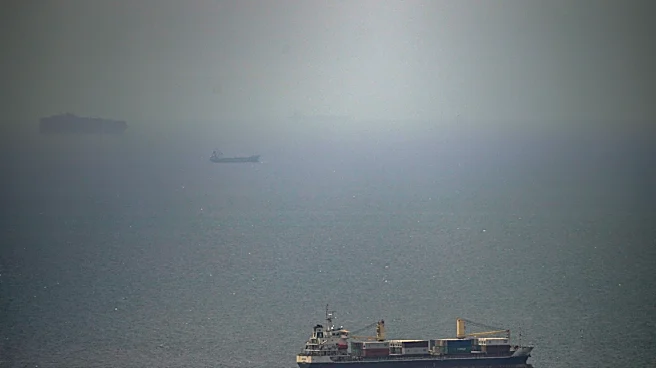
The ongoing Middle East crisis, particularly the US-Israeli conflict with Iran, is projected to impose up to $1 trillion in additional costs on the global economy. This is due to elevated oil and gas prices, which have surged following the blockade of
the Strait of Hormuz. While petroleum companies are experiencing significant profits, the economic burden is disproportionately affecting households, businesses, and governments worldwide. The crisis has sparked calls for a windfall tax on excess fossil fuel profits to fund social protection and renewable energy investments.
Why It's Important?
The economic impact of the Middle East crisis underscores the global dependency on fossil fuels and the vulnerability of economies to geopolitical events. The situation highlights the need for a transition to renewable energy sources to reduce reliance on oil and gas. The potential for increased inequality and poverty due to rising energy costs calls for urgent policy interventions to protect vulnerable populations. The crisis also raises ethical questions about the distribution of profits and the responsibility of oil companies in addressing climate change.
What's Next?
The international community may need to explore strategies to stabilize energy markets and mitigate the economic impact of the crisis. This could include diplomatic efforts to resolve the conflict and ensure the free flow of oil through the Strait of Hormuz. Policymakers may also consider implementing windfall taxes on oil companies to fund renewable energy projects and social protection measures. The crisis could accelerate the global shift towards sustainable energy and drive increased investment in clean technologies.
Beyond the Headlines
The Middle East crisis highlights the broader challenges of energy security and the need for a just transition to a low-carbon economy. The situation underscores the importance of international cooperation in addressing global energy challenges and ensuring equitable access to resources. The crisis may also influence public perception of fossil fuels and drive greater demand for sustainable energy solutions. The ethical implications of profiting from conflict and environmental degradation may prompt calls for greater corporate accountability and transparency.