


What's Happening?
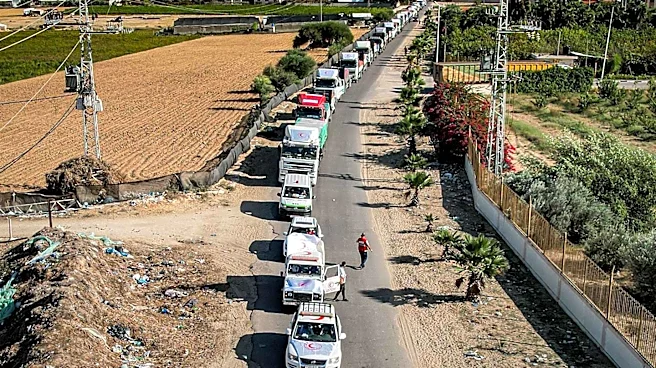
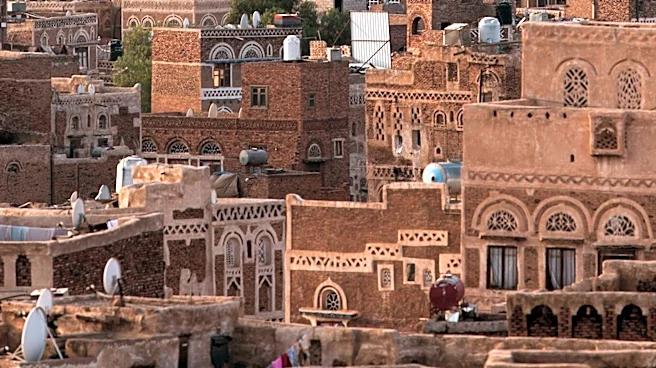
The World Food Programme (WFP) reported on October 14 that it has been unable to reach over 600,000 people in Yemen's Taiz who are dependent on humanitarian assistance. The situation is described as "especially alarming," with most districts in Taiz facing
emergency levels of hunger. The city of Taiz has been under an intensified siege by Houthi forces since early October, cutting off the last major supply route into government-held areas. This siege has prevented the entry of essential supplies such as food, safe drinking water, medicines, and fuel, leading to a severe humanitarian crisis. Human Rights Watch (HRW) has stated that the Houthi-imposed siege may constitute the war crime of using starvation as a method of warfare, a claim the Houthis deny, blaming Yemeni government forces instead.
Why It's Important?
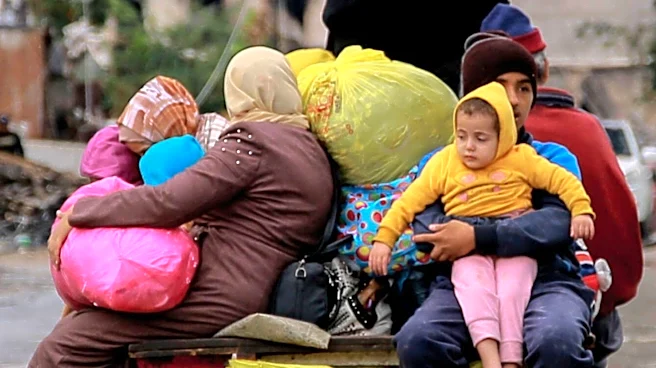
The inability of the WFP to access hundreds of thousands of people in Taiz signifies a critical failure in humanitarian aid delivery and a deepening crisis for an already vulnerable population. The classification of most districts in Taiz as facing emergency levels of hunger indicates widespread food insecurity that could lead to famine and increased mortality. The siege's impact on essential services, including healthcare and access to clean water, further exacerbates the humanitarian catastrophe, risking outbreaks of diseases like acute watery diarrhea and cholera. This situation highlights the devastating consequences of prolonged conflict on civilian populations and the urgent need for unimpeded humanitarian access to prevent further loss of life and alleviate suffering. The allegations of war crimes underscore the severe violations of international humanitarian law occurring in the region.
What's Next?
The immediate future for Taiz is precarious, with health officials warning of a worsening disease crisis due to shortages of supplies and limited access to healthcare. The ongoing siege means that the population will continue to face severe shortages of food, water, and medical aid. International bodies, including the WFP and the UN Office for the Coordination of Humanitarian Affairs (OCHA), will likely continue to advocate for humanitarian access and increased funding. However, without a political resolution to the conflict and an end to the siege, the humanitarian situation is expected to deteriorate further. Efforts will focus on pressuring all parties to the conflict to adhere to international humanitarian law and ensure the safe passage of aid to those in desperate need.
Beyond the Headlines
The crisis in Taiz is a stark example of how conflict can be weaponized, with sieges directly impacting civilian survival. The deliberate obstruction of humanitarian aid and essential supplies not only causes immediate suffering but also has long-term consequences for public health, economic stability, and social cohesion. The accusations of war crimes, if proven, would necessitate international accountability and justice for the victims. This situation also underscores the broader challenges faced by humanitarian organizations operating in conflict zones, where political complexities and security concerns often impede their ability to deliver life-saving assistance. The international community's response to Taiz will be a critical test of its commitment to protecting civilians and upholding humanitarian principles in protracted conflicts.