





What's Happening?
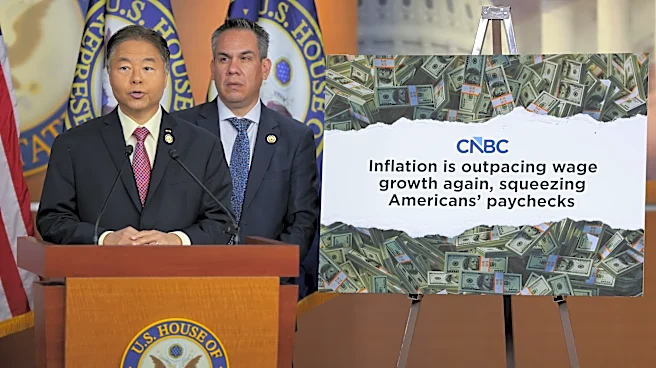
In the U.S., wage growth has decelerated and fallen below the rate of inflation, leading to a reduction in workers' purchasing power. According to the Indeed Wage Tracker, advertised pay increased by 2.5% year-over-year as of September 1, 2026, a significant
drop from its 2022 peak of 9.5%. Concurrently, the Bureau of Labor Statistics’ Employment Cost Index (ECI) for private-sector wages and salaries rose by 3.1% year-over-year in the third quarter of 2026. However, the Consumer Price Index (CPI), the primary measure of inflation, exceeded both these figures, reaching 3.7% in September. This disparity means that typical wage increases are not keeping pace with the rising cost of everyday goods, causing workers to feel the financial strain. Prices have climbed approximately 33% since 2019, effectively reducing the purchasing power of a dollar to 75 cents compared to 2019 levels. This trend is particularly evident for entry- and mid-level roles, where real wages have barely increased, while senior-level employees have seen a considerable rise in real wages.
Why It's Important?
This trend of wage growth lagging behind inflation has significant implications for the U.S. economy and its workforce. The erosion of purchasing power directly impacts the financial well-being of American households, particularly those in entry- and mid-level positions, who are finding it increasingly difficult to afford essential goods and services. This can lead to reduced consumer spending, which is a critical driver of economic growth. Furthermore, the pressure extends beyond paychecks to benefits, with health insurance costs rising and worker satisfaction with coverage at a multi-year low. Employers are also facing increased costs for benefits, which may limit their ability to offer higher wages. This creates a challenging environment for both employees, who are struggling to maintain their standard of living, and employers, who must balance rising costs with the need to attract and retain talent. The widening gap in real wage growth between senior and lower-level employees could also exacerbate income inequality.
What's Next?
The current economic pressures are not expected to ease quickly, with wage growth remaining positive but cooling, and benefit costs, especially health insurance, continuing to rise into 2027. This situation will likely necessitate changes in how workers evaluate job offers and how employers approach recruitment and retention. For employers, effectively managing and advertising their benefits, including those valued by different age and experience levels, could become a key differentiator in attracting talent. Job seekers are increasingly prioritizing total compensation, not just base pay, and will need to carefully assess all aspects of an offer, including health insurance premiums and benefit policies. If the labor market rebounds in 2027, the existing dissatisfaction with compensation and benefits could lead to increased employee turnover, posing a risk for employers who fail to address these concerns. Workers may also need to consider acquiring in-demand skills or even taking on second jobs to offset the impact of inflation.
Beyond the Headlines
The persistent gap between wage growth and inflation highlights a deeper structural challenge within the U.S. economy. Beyond the immediate financial strain, this trend can contribute to a sense of economic insecurity and disillusionment among the workforce. The focus on total compensation, including benefits like health insurance, underscores the increasing burden placed on individuals to cover essential costs that were once more adequately supported by wages. This situation could lead to long-term shifts in labor market dynamics, potentially increasing demand for jobs with comprehensive benefits packages or prompting greater advocacy for policies that address real wage stagnation and rising living costs. The widening disparity in real wage gains between different income levels also raises questions about economic fairness and the sustainability of current economic models, potentially fueling social and political discussions around wealth distribution and worker protections.