




What's Happening?
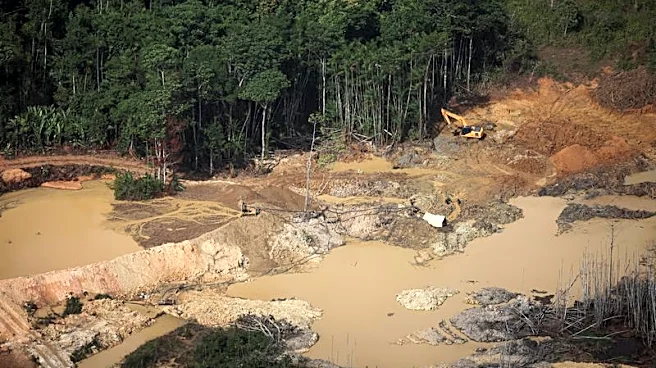
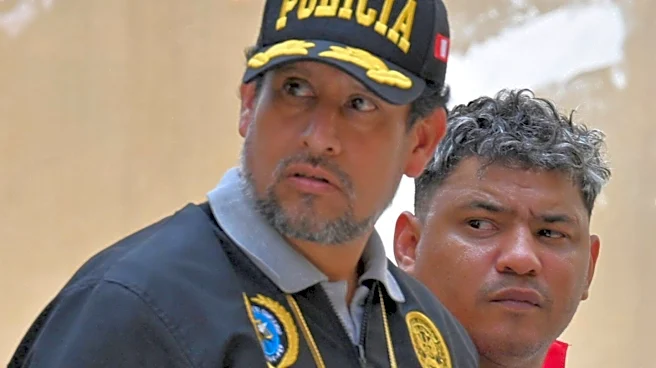
Interpol announced a significant operation, 'Operation Madre Tierra VIII,' targeting environmental crime across Latin America and the Caribbean, resulting in 233 arrests. The two-month initiative, conducted from June 1 to July 31, focused on illegal logging,
gold mining, and wildlife trafficking across nine countries, including Colombia, Costa Rica, the Dominican Republic, El Salvador, Guatemala, Honduras, Mexico, Nicaragua, and Panama. The operation identified approximately 60,000 hectares (148,000 acres) of illegally cleared forest and uncovered links between large-scale Amazon deforestation and 161 companies and 65 individuals across several continents. Investigators found evidence of suspected permit fraud, the alleged use of shell companies, and foreign investment mechanisms. Authorities also seized 4.6 metric tons of cyanide and 11 containers of mercury in Costa Rica, chemicals commonly used in gold extraction, and recovered over 1,000 live animals, including endangered species.
Why It's Important?
This Interpol operation underscores the growing global recognition of environmental crime as a serious and interconnected threat, often linked with organized crime. The scale of the arrests and seizures highlights the extensive damage being inflicted on critical ecosystems, such as the Amazon rainforest, which has significant implications for global climate stability and biodiversity. The discovery of links between environmental destruction and international companies and financial networks reveals the sophisticated nature of these criminal enterprises, indicating that the problem extends beyond local actors to involve global supply chains and illicit financial flows. The seizure of hazardous chemicals like cyanide and mercury points to the severe environmental contamination and public health risks associated with illegal mining, impacting water sources, wildlife, and human communities. This crackdown signifies a concerted effort to disrupt these networks and protect vital natural resources.
What's Next?
The intelligence gathered during Operation Madre Tierra VIII will likely lead to further investigations and actions against the identified companies and individuals involved in environmental crimes across multiple continents. Interpol has issued international notices seeking information or action related to suspects linked to these networks, suggesting a continued focus on cross-border cooperation. The emphasis on 'following the money' indicates that future efforts will increasingly target the financial networks and international buyers profiting from environmental destruction, moving beyond the individuals directly involved in illegal activities. This approach aims to dismantle the economic incentives driving these crimes. The operation also sets a precedent for future coordinated international efforts to combat environmental crime, potentially leading to more frequent and larger-scale crackdowns.
Beyond the Headlines
The operation reveals the complex interplay between environmental degradation, organized crime, and global economic systems. The involvement of shell companies and foreign investment mechanisms highlights how legitimate financial structures can be exploited to launder profits from illegal activities, making it challenging to trace and prosecute those at the top of these criminal networks. The trafficking of endangered wildlife, often along routes used for other illicit goods, underscores the interconnectedness of various forms of organized crime. This situation calls for a holistic approach that combines law enforcement efforts with financial intelligence, environmental protection policies, and international legal frameworks to effectively combat these multifaceted threats. The long-term implications include the potential for increased international pressure on countries to strengthen environmental regulations and enforcement, as well as greater scrutiny of corporate supply chains to prevent complicity in environmental crimes.