




What's Happening?
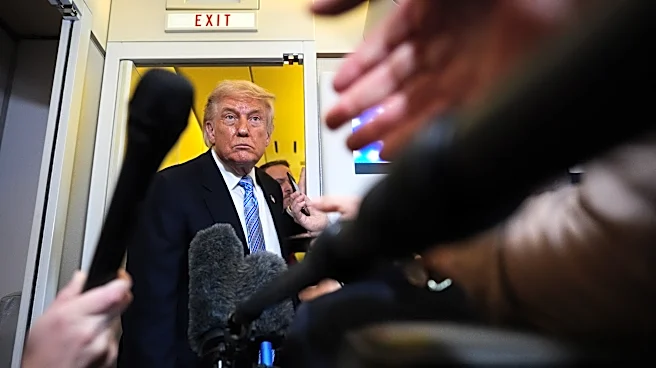
The Trump administration is employing a strategy against Cuba that closely resembles its approach to Venezuela, involving oil blockades and military presence. President Trump has issued threats of intervention, similar to those made before the U.S. military operation
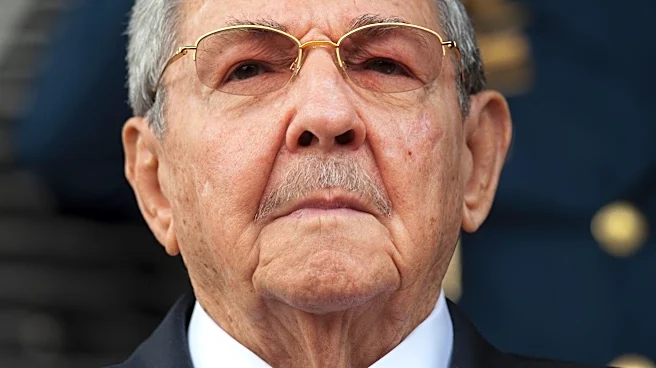
in Venezuela that led to the capture of Nicolás Maduro. However, experts note significant differences between the two situations. Unlike Venezuela, where a U.S.-approved successor was in place, Cuba lacks an obvious successor who would cooperate with the Trump administration. The U.S. has imposed oil embargoes on both countries, aiming to pressure ruling elites, but the outcomes have varied. In Venezuela, the embargo targeted oil exports to cut off revenue, while in Cuba, it aims to restrict oil imports, exacerbating energy shortages. The U.S. military presence in the Caribbean is smaller compared to the buildup before Maduro's capture, and the indictment of former Cuban leader Raúl Castro is seen as less impactful than charges against Maduro.
Why It's Important?
The Trump administration's strategy towards Cuba could have significant implications for U.S. foreign policy and regional stability. The pressure campaign aims to destabilize the Cuban government, potentially leading to a change in leadership. However, the lack of a clear successor in Cuba complicates the situation, raising concerns about the potential for a refugee crisis if the island becomes destabilized. The oil embargo further strains Cuba's already limited energy resources, impacting daily life for its citizens. The U.S.'s approach also reflects broader geopolitical strategies, as it seeks to assert influence in the region and counter perceived threats. The situation highlights the complexities of U.S. foreign policy in Latin America and the challenges of replicating strategies across different countries with unique political landscapes.
What's Next?
The Trump administration may continue to escalate its pressure on Cuba, potentially leading to further diplomatic and military actions. The U.S. could increase its military presence in the region or impose additional sanctions. The Cuban government may seek to strengthen alliances with other countries to counter U.S. pressure. The situation could also prompt discussions within the U.S. about the effectiveness and ethics of such foreign policy strategies. The international community may respond with calls for dialogue and negotiation to prevent further escalation. The outcome of this strategy will likely influence future U.S. relations with Latin American countries and shape the region's geopolitical dynamics.
Beyond the Headlines
The U.S. strategy towards Cuba raises ethical and legal questions about the use of military force and economic sanctions as tools of foreign policy. The potential for a refugee crisis underscores the humanitarian implications of destabilizing a country. The situation also highlights the long-standing tensions between the U.S. and Cuba, rooted in historical conflicts and ideological differences. The approach may set a precedent for how the U.S. handles similar situations in other countries, influencing global perceptions of American foreign policy. The strategy's success or failure could impact President Trump's legacy and the future direction of U.S. engagement in Latin America.