

What's Happening?
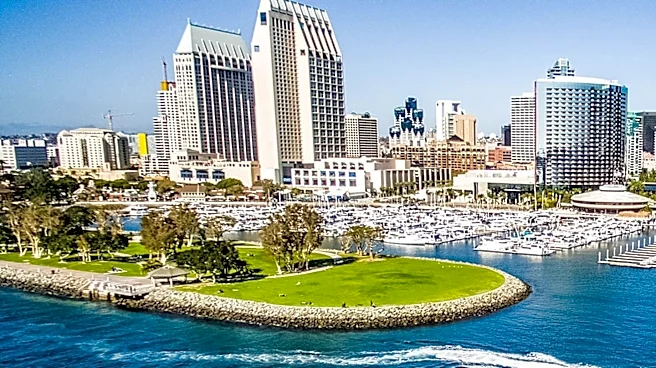
The Port of San Diego Board of Port Commissioners has unanimously voted to advance a revised redevelopment proposal for the Maritime Museum of San Diego to the environmental review phase. This decision follows concerns raised by California Coastal Commission staff
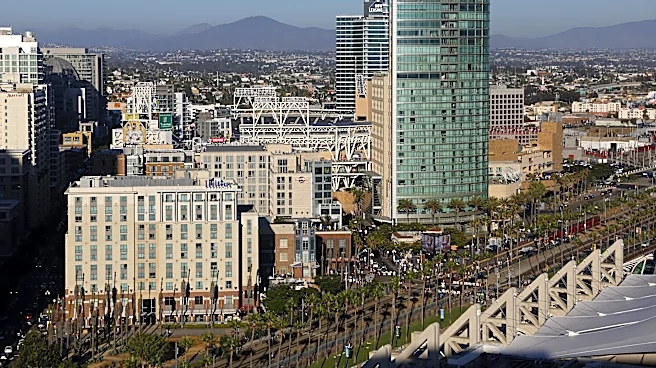
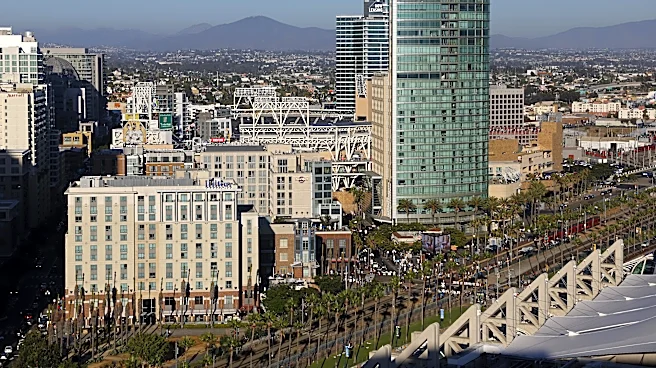
regarding the museum's original proposal, which involved an overwater building that would increase 'fill' in San Diego Bay. The Maritime Museum subsequently explored a landside solution. The new proposal seeks to construct an approximately 27,000-square-foot building in a public parking lot adjacent to the museum's current leasehold. This new facility would feature galleries, an educational theater and lab space, a café, a museum store, a rooftop observation deck, administrative offices, and back-of-house functions. The project aims to provide an inviting architectural entryway, enhance the visitor experience, and offer modern museum amenities. Additionally, the first floor will include a 50-foot-wide by 20-foot-high shaded plaza, open to both museum guests and the public, designed to preserve views of San Diego Bay and strengthen connections between Harbor Drive, the Embarcadero promenade, and the museum's historic fleet. The project also includes resurfacing and widening the adjacent Embarcadero promenade, along with new landscaping, signage, and seating.
Why It's Important?
This advancement is significant for San Diego's cultural landscape and waterfront development. The Maritime Museum, a non-profit organization operating on the North Embarcadero for 75 years and home to a vast collection of historic vessels including the Star of India, will be able to modernize its facilities and enhance its ability to communicate its mission. The proposed redevelopment is expected to improve the guest experience, diversify revenue streams, and enhance wayfinding for visitors. The inclusion of a publicly accessible plaza and the widening of the Embarcadero promenade underscore a commitment to public access and recreation along the waterfront, aligning with the broader North Embarcadero Visionary Plan. This project contributes to the region's prosperity by attracting more visitors and strengthening San Diego's appeal as a tourist destination. Furthermore, discussions are underway among Port staff and representatives from the Maritime Museum, the proposed Navy SEAL Museum, and the USS Midway Museum to explore establishing a museum cultural district, which could further leverage these institutions' proximity and offerings, creating a more cohesive and impactful cultural hub.
What's Next?
The next phase involves an environmental review process conducted under the California Environmental Quality Act (CEQA). During this period, Port staff will collaborate with the Maritime Museum to continue due diligence, refine the funding plan, and negotiate necessary documents, including a lease. The proposal may undergo further refinements based on stakeholder feedback, coordination with Coastal Commission staff, and the outcomes of the environmental review. The Maritime Museum estimates the project cost at $80 million, with funding anticipated from state grants, private financing, and private fundraising. Following the successful completion of the CEQA review and negotiations, Port staff plan to present the project, a new lease agreement, and any other required agreements or entitlements to the Board for consideration at future meetings. The exploration of a museum cultural district also suggests potential future collaborations and integrated development along the North Embarcadero.
Beyond the Headlines
The project highlights the complex interplay between urban development, historical preservation, and environmental regulations, particularly concerning waterfront properties. The initial rejection of an overwater structure due to concerns about 'fill' in San Diego Bay underscores the stringent environmental protections in place for coastal ecosystems and the need for developers to adapt to these regulations. The shift to a landside solution demonstrates a pragmatic approach to achieving development goals while adhering to environmental guidelines. This case could serve as a precedent for future waterfront developments, emphasizing the importance of early engagement with regulatory bodies and the flexibility to revise plans based on environmental feedback. The emphasis on public access and view preservation within the new design also reflects a growing trend in urban planning to integrate public spaces and maintain natural vistas, enhancing the quality of life for residents and visitors alike. The potential for a museum cultural district signifies a strategic vision for creating synergistic cultural attractions, which can have long-term benefits for regional tourism and education.