








What's Happening?
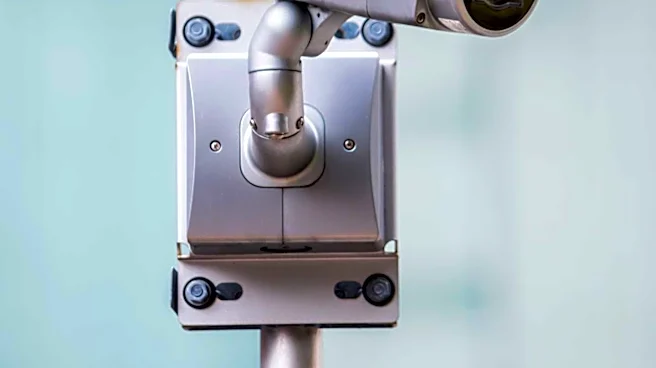
A growing number of U.S. cities are rejecting or deactivating Flock Safety's Automated License Plate Reader (ALPR) cameras due to privacy concerns and issues related to data sharing and government surveillance. Over 95 cities have rejected ALPR systems,
while others have canceled existing contracts or declined to renew agreements. Critics argue that the technology creates extensive databases of drivers' movements, raising questions about data storage and access. Despite these concerns, supporters claim the cameras are valuable tools for law enforcement in solving crimes. Recent decisions by cities like El Cerrito, California, and Appleton, Wisconsin, reflect a broader pushback against surveillance technologies.
Why It's Important?
The rejection of Flock Safety cameras by numerous U.S. cities underscores the growing debate over privacy and surveillance in public spaces. As communities become more aware of the implications of data collection technologies, local governments are increasingly pressured to balance public safety with privacy rights. This trend could lead to stricter regulations on surveillance technologies and influence future policies on data privacy. The pushback also highlights the importance of community engagement and transparency in adopting new technologies, as public opposition can significantly impact decision-making processes. The outcome of these debates may shape the future of surveillance practices in the U.S.