



What's Happening?
The Third Circuit Court has issued a significant ruling in the case of Kendig v. Stolar, emphasizing the role of self-defense evidence in probable cause affidavits. Corey Kendig, who was charged with homicide after a fatal altercation, claimed self-defense.
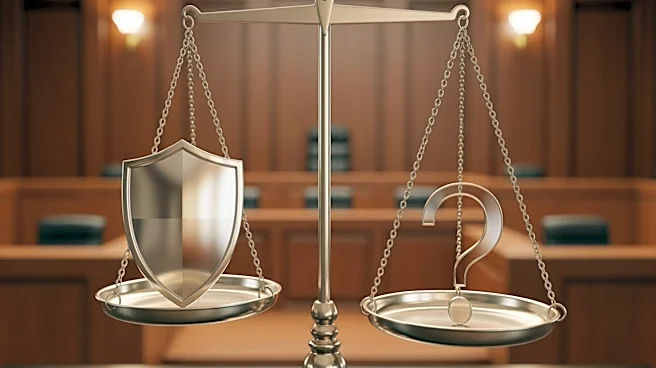
Despite evidence supporting his claim, the investigating officer's affidavit did not include this information. Kendig was acquitted and later sued for false arrest and malicious prosecution. The court ruled that officers must include affirmative-defense evidence in affidavits when it clearly negates the crime's mental state elements.
Why It's Important?
This ruling could have widespread implications for law enforcement and legal proceedings. It underscores the necessity for officers to consider and include exculpatory evidence in their affidavits, potentially altering how probable cause is assessed. This decision may lead to increased scrutiny of arrest warrants and could provide defendants with a stronger basis to challenge arrests and prosecutions. It highlights the balance between law enforcement duties and defendants' rights, potentially influencing future legal standards and practices.
What's Next?
Law enforcement agencies may need to revise their procedures for drafting affidavits to ensure compliance with this ruling. Legal professionals and civil rights advocates will likely monitor how this decision is applied in future cases. The ruling may prompt further legal challenges and discussions about the inclusion of self-defense and other affirmative defenses in probable cause determinations. This case could serve as a precedent for similar legal disputes, influencing how courts interpret probable cause in the context of self-defense claims.