







What's Happening?
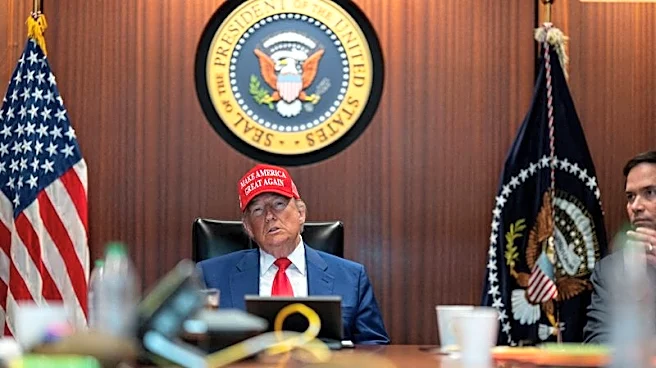
President Trump has informed Congress that the war with Iran is 'terminated,' arguing that the administration does not require congressional approval to continue military operations. This declaration comes as the 60-day deadline set by the War Powers
Act approaches, which typically necessitates congressional consent for ongoing military engagements. Despite a ceasefire in place since April 7, the Trump administration maintains that the conflict's cessation negates the need for further approval. Meanwhile, Iran has submitted a new peace proposal through Pakistani mediators, though its contents remain undisclosed.
Why It's Important?
The assertion that the war is 'terminated' without congressional approval raises significant constitutional questions about the executive branch's military powers. The War Powers Act was designed to limit presidential authority in military engagements, and bypassing it could set a precedent for future conflicts. The situation also highlights the ongoing geopolitical tensions in the Middle East, particularly concerning Iran's nuclear ambitions and control over the Strait of Hormuz. The outcome of these negotiations could impact global oil markets and regional stability, with potential repercussions for international diplomatic relations.
What's Next?
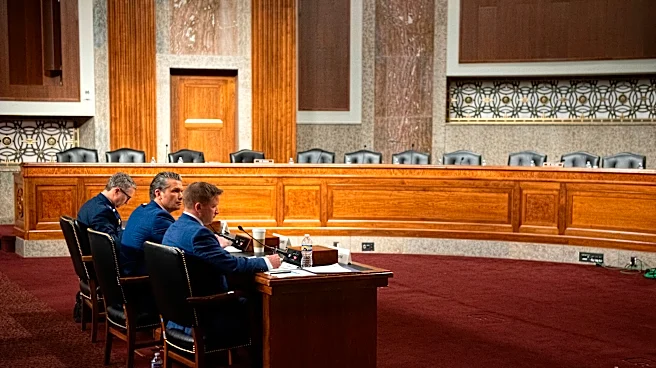
The Trump administration may face legal and political challenges from Congress, particularly from lawmakers who insist on adherence to the War Powers Act. The debate over executive military authority is likely to intensify, with potential implications for future U.S. military engagements. On the diplomatic front, the acceptance or rejection of Iran's peace proposal will be pivotal in determining the next steps. The international community, including allies and regional powers, may play a role in facilitating dialogue and ensuring compliance with international norms.