




What's Happening?
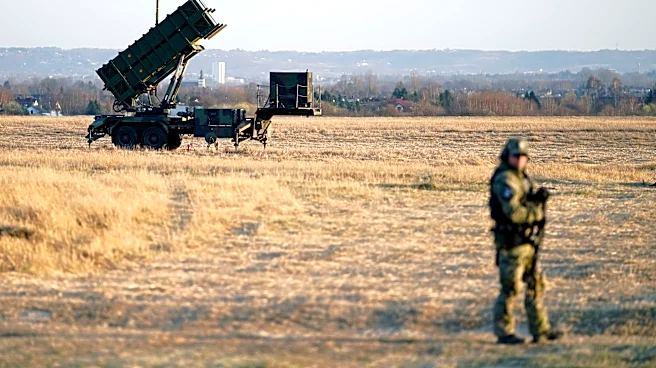
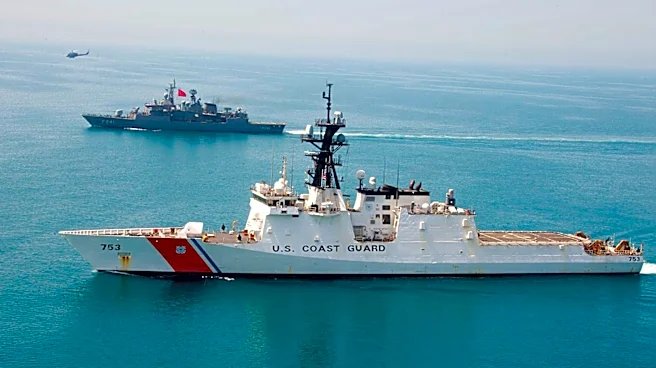
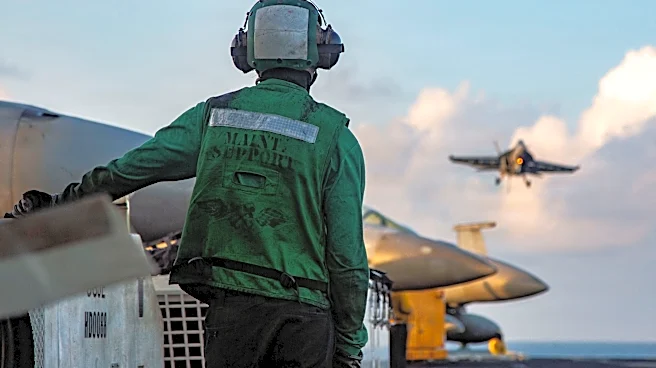
The U.S. military's Southern Command (SOUTHCOM) announced that Joint Task Force Western Hemisphere conducted a lethal strike against a suspected drug-trafficking vessel in the Caribbean. This operation resulted in the deaths of four individuals described
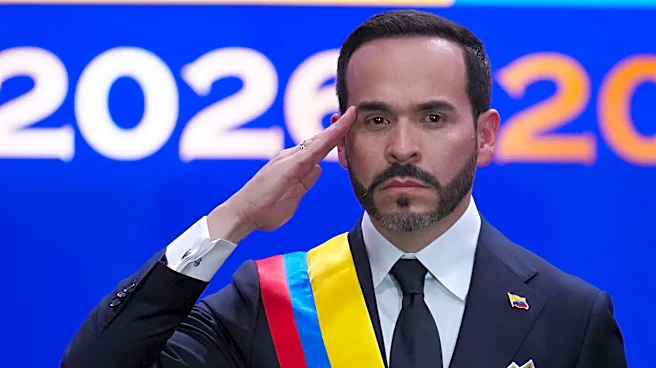
as 'narco-terrorists.' This action is part of Washington's ongoing campaign against cartel networks. Separately, General Francis L. Donovan, head of SOUTHCOM, visited Bogota to meet with Colombia's new military leaders to discuss joint efforts to combat narco-terrorists and strengthen the U.S.-Colombia security partnership. Colombia's new right-wing President Abelardo de la Espriella, an ally of President Trump, took office on August 7 with promises to crack down on cocaine-smuggling guerrilla factions with U.S. support. Colombia has since authorized joint military operations with the United States against drug traffickers, and Washington plans to allocate $1 billion toward Colombia's security. The U.S. administration has informed Congress that it is engaged in an 'armed conflict' against drug cartels, labeling those killed as 'unlawful combatants' and asserting the ability to conduct lethal strikes without judicial review based on a classified Justice Department finding.
Why It's Important?
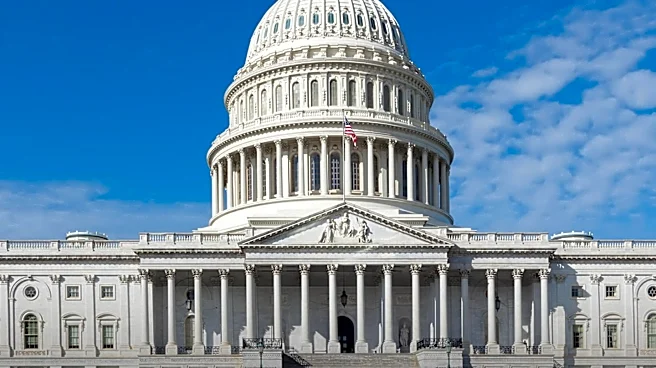
This U.S. military action and the broader strategy in Colombia underscore a significant shift in the U.S. approach to combating drug trafficking, moving towards direct military engagement and labeling drug traffickers as 'narco-terrorists' and 'unlawful combatants.' This redefinition has profound implications for international law, human rights, and the conduct of military operations, as it allows for lethal force without traditional judicial oversight. The substantial financial commitment of $1 billion to Colombia's security and the authorization of joint military operations signal a deepened U.S. involvement in the region's security landscape. This strategy aims to disrupt the flow of illicit drugs into the U.S. and Europe, potentially impacting public health and safety. However, it also raises concerns among some members of Congress and human rights groups who question the legality and effectiveness of such an approach, arguing that it may lead to the killing of individuals not directly involved in drug trafficking and bypasses due process. The alignment with Colombia's new hard-line government reflects a strategic partnership to enhance regional security and counter-narcotics efforts.
What's Next?
The U.S. military is expected to continue its operations against suspected drug-trafficking vessels and networks, maintaining its commitment to 'imposing total systemic friction on narco-terrorists.' The $1 billion security package for Colombia will likely be pursued with Congress, indicating further financial and military support for the Colombian government's efforts. The U.S.-Colombia security partnership is anticipated to strengthen, with ongoing discussions and joint military operations. However, the legal and ethical challenges to the U.S. administration's strategy are also likely to persist. Members of Congress and human rights organizations will continue to scrutinize the classification of 'unlawful combatants' and the use of lethal force without judicial review. The effectiveness of this hard-line approach in significantly reducing drug trafficking and its long-term impact on regional stability will be closely monitored. The debate over the balance between national security interests and adherence to international legal norms will remain a central point of contention.
Beyond the Headlines
The classification of drug traffickers as 'narco-terrorists' and 'unlawful combatants' represents a significant legal and conceptual expansion of the 'war on terror' framework to include drug enforcement. This redefinition blurs the lines between criminal activity and terrorism, potentially setting a precedent for how other nations might address organized crime. The assertion of the ability to conduct lethal strikes without judicial review, based on a classified Justice Department finding, raises fundamental questions about transparency, accountability, and the rule of law in U.S. foreign policy. This approach could lead to increased militarization of drug interdiction efforts and potentially escalate conflicts in affected regions. Furthermore, the focus on military solutions over peace talks, as adopted by the new Colombian administration with U.S. backing, could have long-term societal implications, potentially undermining efforts for reconciliation and sustainable peace in countries grappling with internal conflicts. The ethical dilemma of potentially killing individuals who may not be directly involved in drug trafficking, as raised by some lawmakers, highlights the complex moral landscape of this evolving strategy.