




What's Happening?
U.S. Representatives Jerry Nadler and Nydia Velázquez have publicly criticized Republican gubernatorial candidate Bruce Blakeman. The criticism stems from Blakeman's endorsement of a congressional candidate who has previously stated that '9/11 was an inside
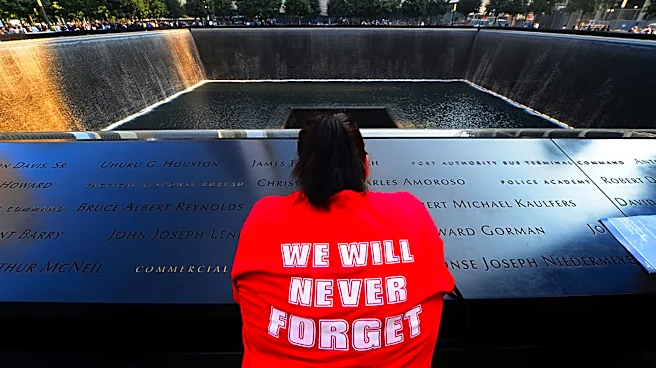
job.' This controversy also brings other campaign associations involving 9/11 conspiracy theories under scrutiny. Representative Velázquez expressed significant disappointment, highlighting her two decades of dedicated advocacy for the victims and families affected by the September 11th attacks. This development occurs just days before New York is set to observe the 25th anniversary of 9/11, adding a layer of sensitivity and urgency to the issue. The representatives' statements underscore concerns about the normalization of such theories within political discourse, especially as the anniversary approaches, a time when the memory of the attacks is particularly poignant for many New Yorkers and the nation.
Why It's Important?
This situation is important because it highlights the ongoing sensitivity and political ramifications surrounding the events of September 11, 2001. For political candidates, associations with individuals promoting conspiracy theories about such a pivotal national tragedy can significantly impact public perception and electoral viability. Representative Velázquez's long-standing commitment to 9/11 victims' families underscores the deep emotional and historical weight of the issue, particularly in New York. Blakeman's endorsement risks alienating a significant portion of the electorate who view 9/11 conspiracy theories as disrespectful and harmful. This controversy could influence the upcoming gubernatorial race by forcing Blakeman to address these associations directly, potentially diverting focus from other campaign issues. It also serves as a reminder of how historical events continue to shape contemporary political narratives and the importance of factual accuracy in public discourse, especially concerning national tragedies.
What's Next?
In the immediate future, Bruce Blakeman will likely face increased pressure to address the controversy surrounding his endorsement and the associated 9/11 conspiracy theories. He may be compelled to clarify his stance on the matter, potentially retract the endorsement, or defend his decision. The approaching 25th anniversary of 9/11 will intensify public and media scrutiny, making it difficult for the issue to recede quickly. Political opponents, including Representatives Nadler and Velázquez, are expected to continue to leverage this criticism, aiming to highlight what they perceive as a lapse in judgment or insensitivity on Blakeman's part. The impact on Blakeman's gubernatorial campaign will depend on how effectively he manages the fallout and whether voters prioritize this issue over others. The incident could also prompt broader discussions within the Republican party about vetting candidates and the types of rhetoric that are acceptable.
Beyond the Headlines
Beyond the immediate political implications, this incident touches upon deeper societal challenges related to misinformation and historical revisionism. The persistence of 9/11 conspiracy theories, even decades after the event, reflects a broader trend of distrust in official narratives and the spread of unsubstantiated claims. When such theories are embraced or tolerated by political figures, it can lend them a veneer of legitimacy, further eroding public trust and potentially influencing how historical events are understood by future generations. This situation also highlights the ethical responsibilities of public figures to uphold factual integrity, especially concerning events that have caused widespread trauma and loss. The controversy serves as a stark reminder of the ongoing battle against disinformation and the importance of critical thinking in a politically charged environment, particularly when national tragedies are involved.