


What's Happening?
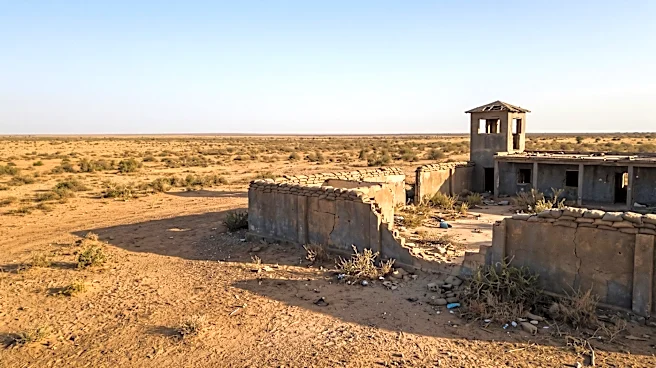
In September 2026, the al-Qaeda-linked group Jama’at Nusrat al-Islam wal-Muslimin (JNIM) launched a series of devastating attacks against the Malian military. A significant assault on September 10 targeted a military camp in Dioura, resulting in the deaths
of over 100 Malian soldiers, with Reuters citing security and diplomatic sources reporting between 120 to 130 fatalities and over 100 soldiers taken hostage. JNIM claimed responsibility, stating they killed 150 soldiers. The offensive continued with attacks on air-defense systems at Sévèré airport, a major military aviation hub, which endured six consecutive nights of shelling. Residents also reported that JNIM fighters appeared to have encircled another military position at Konna. The Malian army acknowledged suffering losses at Dioura but did not release specific casualty figures, stating they evacuated troops and conducted retaliatory operations. These incidents highlight JNIM's growing capability to overrun bases, capture soldiers, and pressure strategically important towns across central Mali.
Why It's Important?
This escalation of violence in Mali is significant as it underscores the persistent and intensifying jihadist insurgency in the Sahel region, which is now considered the global center of jihadist-related violence. The scale of the defeat raises fundamental questions about the effectiveness of Mali’s military government and its security strategy, particularly after abandoning former Western security partnerships in favor of Russian support. Despite the presence of Russian Africa Corps personnel supporting Malian forces, JNIM's ability to inflict such heavy losses and sustain pressure on multiple government positions suggests a significant challenge to state stability. The expanding insurgency also poses a direct threat to neighboring Burkina Faso and Niger, where jihadist violence has surged, and military governments are struggling to secure large rural areas. The instability threatens further displacement and loss of government protection for communities, impacting regional security and humanitarian conditions.
What's Next?
The Malian military government faces immediate pressure to reassess its security strategy and demonstrate its ability to counter the escalating jihadist threat. The continued presence and operations of JNIM, particularly around strategic locations like Sévèré airport and Konna, suggest that the offensive may not be over. International and regional stakeholders will likely monitor the situation closely, as the instability in Mali has broader implications for the entire Sahel region. The effectiveness of the Russian Africa Corps in supporting Malian forces will be under scrutiny, especially given reports of their reduced visibility in areas under JNIM pressure. Further military engagements and potential shifts in alliances or counter-insurgency tactics are anticipated as the Malian government attempts to regain control and protect its territories from the expanding insurgency.
Beyond the Headlines
The ongoing conflict in Mali, exacerbated by the recent JNIM attacks, reveals deeper implications regarding the efficacy of external military partnerships and the complex dynamics of counter-terrorism in the Sahel. The shift from Western to Russian security partners by the Malian junta was partly justified by promises of improved security, yet the recent events challenge this narrative. This situation highlights the ethical and practical dilemmas faced by governments in conflict zones, particularly concerning civilian protection and the long-term stability of the state. The humanitarian impact, including displacement and loss of government protection for communities, will likely worsen, creating a protracted crisis. The ability of jihadist groups to adapt and intensify their operations also points to the need for comprehensive strategies that address not only military aspects but also socio-economic grievances and governance issues that fuel recruitment and support for these groups.