





What's Happening?
The U.S. National Oceanic and Atmospheric Administration (NOAA) has officially confirmed the presence of El Nino, a climate phenomenon characterized by the warming of the Pacific Ocean near the equator. This event is expected to intensify, potentially
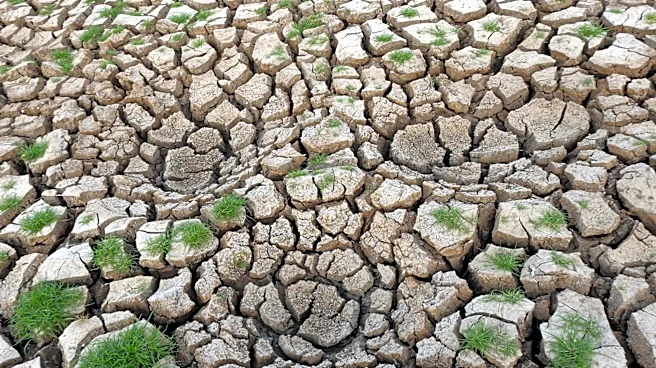
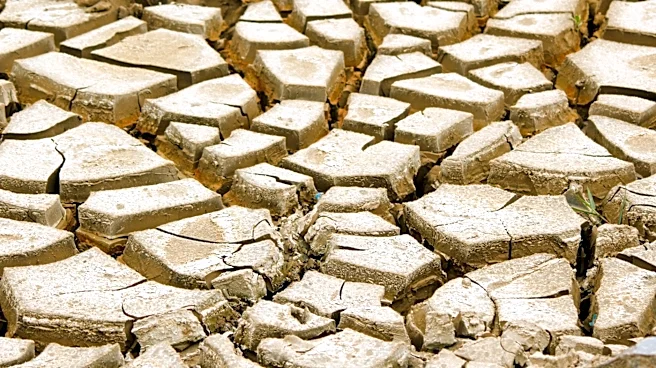
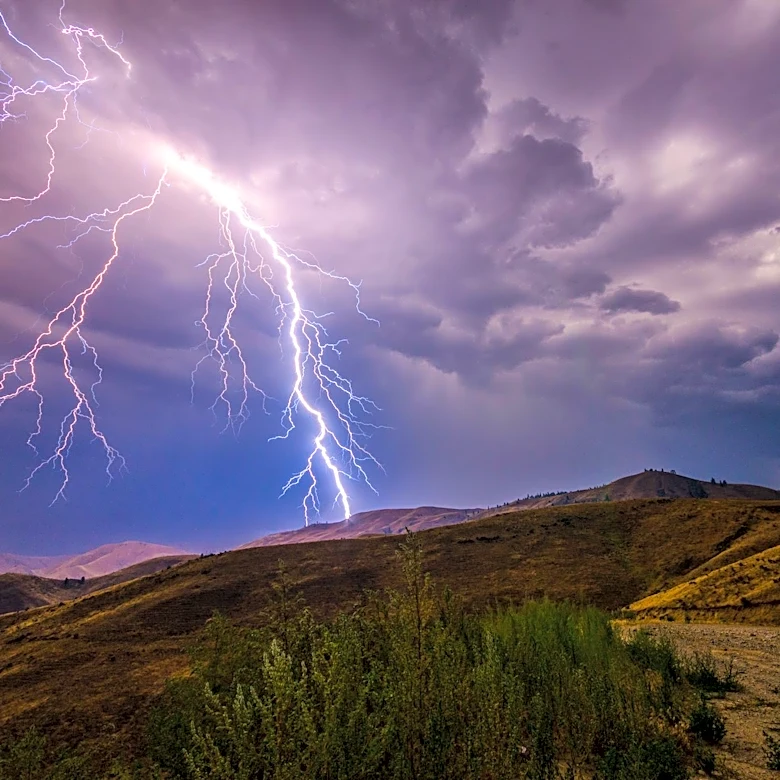
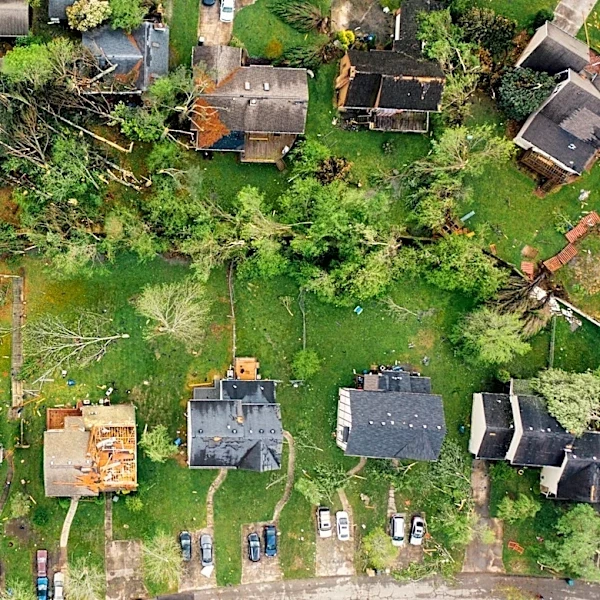
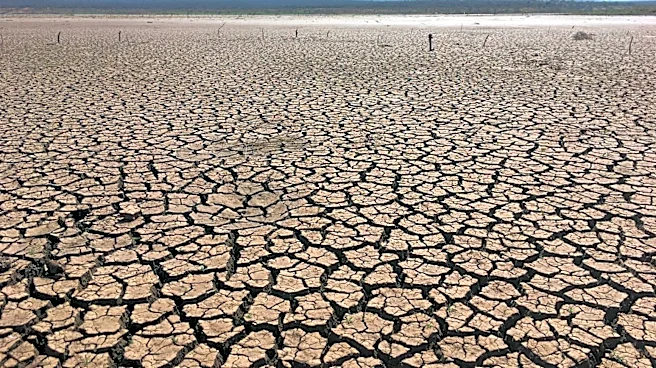
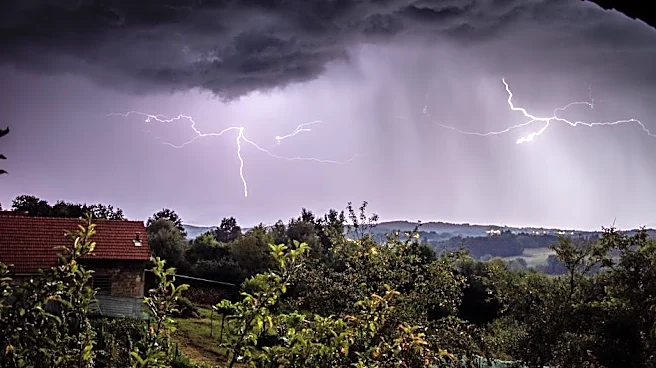
becoming one of the largest El Nino events since records began in 1950. The phenomenon is known to influence global weather patterns, leading to extreme weather events such as heatwaves, floods, droughts, and wildfires. According to climate scientists, the current El Nino could significantly impact global temperatures, with predictions that 2027 may become the hottest year on record. The effects of El Nino vary by region, with the U.S. likely to experience more intense storms and heavier rainfall in the South, while benefiting the agriculture industry. However, the overall economic growth in the U.S. may slow due to elevated temperatures.
Why It's Important?
The confirmation of El Nino is significant due to its potential to exacerbate extreme weather conditions worldwide, impacting various sectors including agriculture, economy, and public safety. In the U.S., while the agriculture sector might see some benefits, the broader economic implications could be negative, as higher temperatures are associated with slower economic growth. Globally, regions such as India, Australia, and parts of South America may face severe weather challenges, including heatwaves and droughts, which could affect food security and water resources. The phenomenon underscores the importance of climate monitoring and preparedness to mitigate adverse effects on vulnerable regions and industries.
What's Next?
As El Nino develops, scientists and meteorologists will continue to monitor its progression and impact. The phenomenon is expected to peak in late fall or early winter, with potential long-lasting effects. Stakeholders, including government agencies and the agriculture sector, may need to implement strategies to adapt to the changing weather patterns. The international community may also need to coordinate efforts to address the global challenges posed by El Nino, particularly in regions prone to severe weather disruptions.
Beyond the Headlines
The occurrence of El Nino highlights the broader issue of climate variability and the need for robust climate policies. As the world continues to warm due to fossil fuel emissions, the frequency and intensity of such climate phenomena may increase, necessitating stronger global cooperation and investment in climate resilience. The event also raises ethical considerations regarding the responsibility of developed nations to support vulnerable regions disproportionately affected by climate change.