






What's Happening?
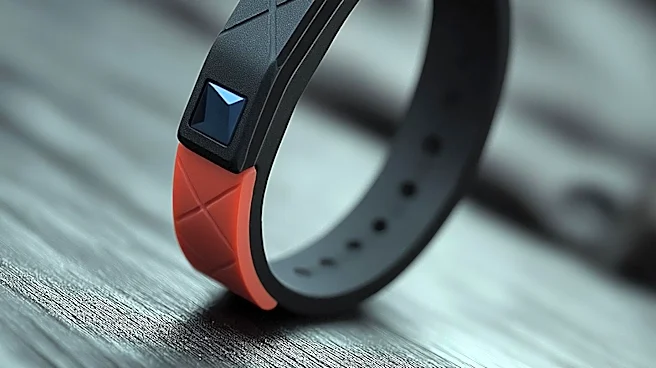
Researchers from the National University of Singapore (NUS) have introduced a personalized short sleep (pSS) framework, utilizing long-term data from wearable devices to define insufficient sleep on an individual basis. This new approach, published in 'Sleep
Medicine,' moves beyond universal sleep cutoffs, such as the commonly used six-hour threshold. The study, which followed 462 working adults for up to a year using Oura Rings and daily smartphone assessments, sets a personalized threshold at one hour below an individual's 75th percentile of sleep duration. This percentile is considered an estimate of sleep obtained when occupational and social constraints are reduced. While the population average for short sleep remained similar between the conventional and personalized methods (around 35-37% of nights), the personalized approach identified different individuals and nights as experiencing insufficient sleep. For instance, a habitual short sleeper might consistently fall below six hours but not be considered to have a 'shortfall' by their personalized metric, whereas someone who usually sleeps longer could experience a significant shortfall even if they sleep more than six hours.
Why It's Important?
This personalized approach to defining insufficient sleep has significant implications for individual health management and public health recommendations in the U.S. and globally. By tailoring sleep assessments to an individual's typical patterns, wearable devices can provide more meaningful insights into sleep health, potentially leading to earlier identification of sleep deficiencies and more effective interventions. The study found that personalized short sleep showed stronger associations with various day-to-day outcomes, including alertness, stress, motivation, sadness, heart rate, and physical activity, compared to the fixed six-hour definition. Furthermore, a higher proportion of personalized short-sleep nights correlated with long-term health measures such as body roundness index, systolic blood pressure, and arterial stiffness. This suggests that understanding an individual's unique sleep patterns, rather than relying solely on population-level averages, could be crucial for preventing chronic health issues and improving overall well-being. For the healthcare industry, this could pave the way for more personalized diagnostic tools and treatment plans for sleep disorders.
What's Next?
The researchers emphasize that personalized measures should complement, rather than replace, existing population sleep recommendations. The next steps involve further integration of this personalized short sleep framework into wearable technology to provide more actionable insights for users. This could lead to wearables moving beyond simple reporting of nightly sleep duration to identifying patterns of recurrent sleep shortfall that are more functionally meaningful. Future research may also explore how these personalized metrics can be used in clinical settings to better diagnose and manage sleep-related health conditions. The study's findings, which showed similar patterns across seven countries including the U.S., suggest broad applicability of this framework. This could encourage technology companies to develop more sophisticated algorithms for sleep tracking that incorporate individual baselines, potentially leading to a new generation of personalized health monitoring tools.
Beyond the Headlines
The shift towards personalized sleep metrics highlights a broader trend in healthcare and technology: the move from generalized recommendations to individualized data-driven insights. This approach acknowledges the inherent variability in human physiology and lifestyle, recognizing that 'one size fits all' solutions may not be optimal for health. Ethically, this raises questions about data privacy and the responsible use of personal health data collected by wearable devices. As more intimate health data becomes available, robust frameworks for data security and user consent will be crucial. Culturally, this could foster a greater awareness of individual sleep needs and encourage people to prioritize sleep based on their unique patterns, rather than feeling pressured to conform to arbitrary benchmarks. The long-term impact could be a more nuanced understanding of sleep's role in health, leading to more effective public health campaigns and a greater emphasis on personalized wellness strategies.