



What's Happening?
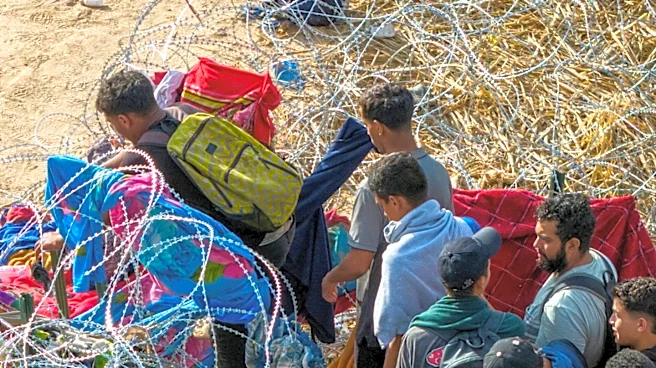
The United Nations has issued a stark warning regarding a potential surge in displacement from Yemen, projecting that up to 10,000 refugees could flee across the Red Sea to Djibouti, and over 230,000 people could be internally displaced within Yemen.
This anticipated increase is a direct consequence of renewed fighting in the country, particularly after Iran-aligned Houthi rebels seized control of Yemen’s Red Sea coastline earlier this month. This offensive has resulted in hundreds of casualties, threatened global trade routes, and contributed to rising energy prices. The UN Refugee Agency (UNHCR) spokesperson, Babar Baloch, indicated that more than 3,000 people have already made the dangerous sea crossing to Djibouti this month, and this number is expected to rise significantly after mid-October when sea conditions improve. This new wave of displacement adds to the 5.2 million people already internally displaced in Yemen before the recent escalation.
Why It's Important?
This escalating displacement crisis in Yemen has profound humanitarian and geopolitical implications. The potential for 10,000 refugees to arrive in Djibouti and over 230,000 new internal displacements exacerbates an already dire humanitarian situation, where an estimated 22 million people require assistance. The renewed conflict, particularly the Houthi control of the Red Sea coastline, not only intensifies human suffering but also poses a significant threat to international shipping and global energy markets, given the strategic importance of the Red Sea. For the United States and its allies, this situation complicates efforts to stabilize the region, counter Houthi influence, and ensure the free flow of commerce. The severe funding shortfall for UNHCR operations in Yemen and Djibouti further jeopardizes the ability to provide essential aid, potentially leading to a more catastrophic humanitarian outcome and increased regional instability.
What's Next?
The UNHCR and its partners are planning for increased arrivals in Djibouti and a surge in internal displacement within Yemen, appealing for urgent funding to address the growing humanitarian needs. The international community will likely face renewed calls to increase humanitarian aid and diplomatic efforts to de-escalate the conflict. The strategic implications of Houthi control over the Red Sea coastline may prompt further international responses aimed at securing maritime routes and mitigating impacts on global trade and energy prices. Without a significant increase in funding and a political resolution to the conflict, the humanitarian crisis is expected to deepen, leading to more suffering and potential regional instability. The coming months, especially after mid-October, will be critical in observing the actual scale of displacement and the international community's response.
Beyond the Headlines
Beyond the immediate humanitarian crisis, the situation in Yemen highlights the long-term consequences of protracted conflict and geopolitical rivalries. The Houthi's strategic gains underscore the shifting power dynamics in the region and the challenges of external intervention. The displacement of millions, particularly the vulnerable, creates a lost generation with limited access to education, healthcare, and economic opportunities, perpetuating cycles of poverty and instability. The strain on neighboring countries like Djibouti, which are already hosting refugees, can lead to social and economic pressures, potentially destabilizing fragile regional balances. The international community's struggle to adequately fund humanitarian responses also raises ethical questions about global responsibility and the prioritization of aid in complex emergencies, suggesting a need for more sustainable and equitable burden-sharing mechanisms.