








What's Happening?
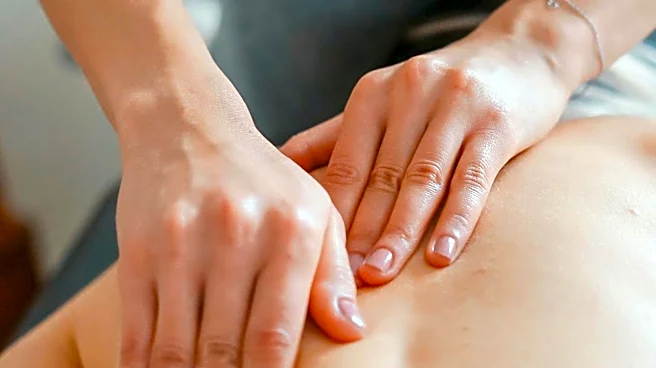
Manual Lymphatic Drainage (MLD) is a gentle massage technique gaining recognition for its role in managing various health conditions, including lymphedema, post-surgical swelling, and chronic fluid retention. Unlike traditional deep tissue massage, MLD employs
light, rhythmic strokes specifically targeting the lymphatic system to facilitate the removal of waste products and excess fluid from the body's tissues. This technique is frequently recommended for individuals recovering from cosmetic, orthopedic, and general surgeries, as well as those undergoing breast, head, and neck cancer recovery. It also addresses issues like bruising, inflammation, scar tissue, and post-radiation swelling. Clients often report feeling relaxed, less swollen, and experiencing improved comfort and range of motion after sessions. The number of treatments required varies based on the specific condition, with post-surgical clients often benefiting from multiple sessions over several weeks, while chronic conditions may necessitate ongoing maintenance.
Why It's Important?
The increasing adoption of MLD highlights a growing emphasis on holistic and supportive care within the U.S. healthcare landscape, particularly in post-operative recovery and chronic disease management. For patients, MLD offers a non-invasive method to alleviate discomfort, reduce swelling, and potentially accelerate healing, thereby improving their quality of life. This is especially significant for individuals recovering from extensive surgeries or cancer treatments, where lymphedema and persistent swelling can be debilitating. The technique's gentle nature makes it a safe option, even after cancer treatment, provided it's deemed appropriate by medical professionals. The integration of MLD into recovery protocols can lead to better patient outcomes, potentially reducing reliance on pharmaceutical interventions for pain and swelling, and fostering a more comfortable recovery experience. This trend also signifies a broader acceptance of complementary therapies within mainstream medicine.
What's Next?
As awareness and understanding of MLD continue to grow, it is anticipated that more healthcare providers, particularly surgeons and oncologists, will integrate this technique into their post-treatment recommendations. The demand for certified MLD therapists is likely to increase, leading to more specialized training programs and a wider availability of these services across the U.S. Further research may also explore the long-term benefits and cost-effectiveness of MLD for various conditions, potentially leading to its inclusion in insurance coverage for a broader range of medical needs. Patients considering MLD are advised to consult with their surgeons or primary care physicians to determine the appropriate timing and frequency of treatments, especially in post-surgical scenarios. The continued evolution of MLD as a recognized therapeutic modality will likely see it play a more prominent role in comprehensive patient care plans.
Beyond the Headlines
The rise of MLD reflects a broader societal shift towards personalized and patient-centered healthcare, where individual comfort and recovery experience are prioritized. Beyond its immediate physical benefits, the gentle and relaxing nature of MLD can also contribute to improved mental well-being for patients facing challenging health issues. The focus on the lymphatic system, often overlooked in conventional medicine, underscores a deeper understanding of the body's intricate systems and their interconnectedness. This trend could also influence the development of at-home lymphatic support practices, empowering individuals to take a more active role in their self-care. The increasing acceptance of MLD also challenges traditional medical paradigms, encouraging a more open-minded approach to therapies that may not involve pharmaceutical or invasive interventions, ultimately enriching the spectrum of care available to patients.