









What's Happening?
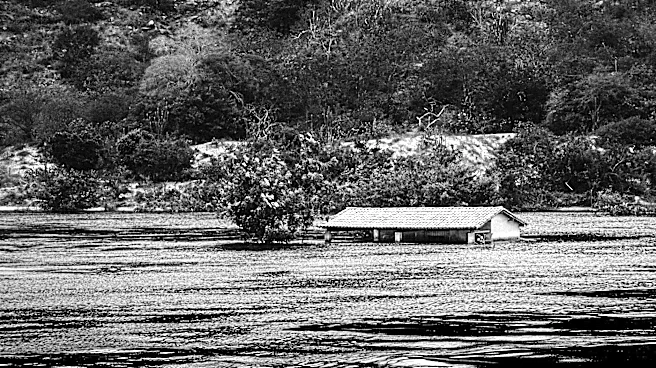
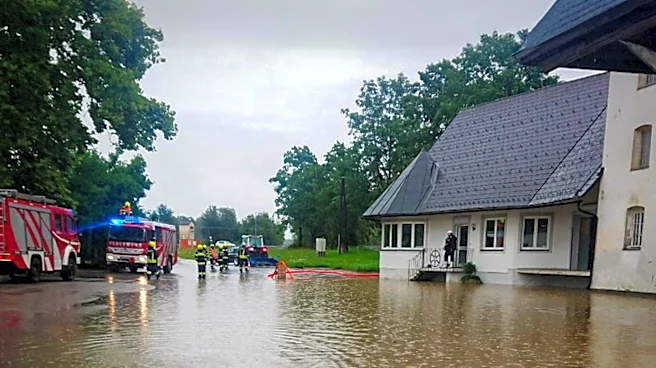
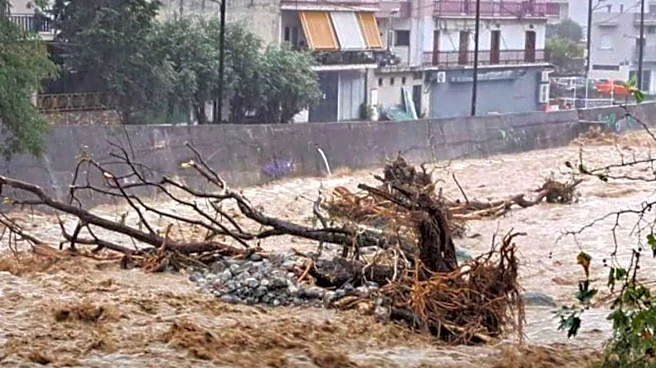
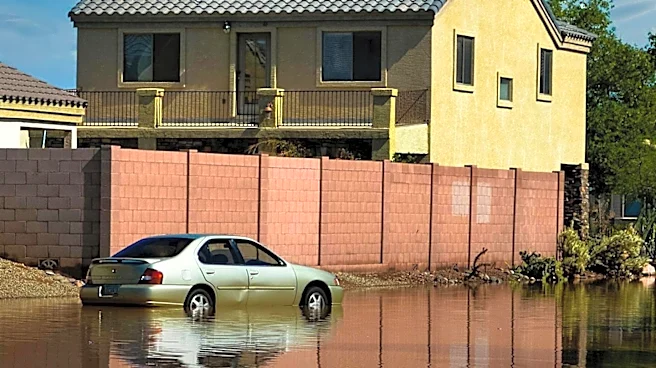
Heavy rains and strong winds have caused significant damage in central and southern Chile, resulting in the deaths of at least three individuals and the displacement of hundreds. President José Antonio Kast visited the Biobío region, one of the hardest-hit
areas, to assess the situation and coordinate the government's response. The Chilean disaster agency, SENAPRED, reported that 466 people are currently residing in shelters, while 158 others are isolated due to rising water levels, primarily in the Coquimbo region. The adverse weather conditions have led to the suspension of some schools and the temporary closure of the Andina mine operated by Codelco. Additionally, approximately 257,000 people, mainly in the southern regions, are without electricity. The fatalities include a worker who died while clearing a road in Negrete, a person who fell while cleaning a roof in Temuco, and another individual who was electrocuted in Santiago. Meteorological authorities have warned of further heavy rainfall in central Chile.
Why It's Important?
The severe weather conditions in Chile highlight the vulnerability of infrastructure and communities to natural disasters, particularly in regions prone to such events. The disruption of daily life, including the suspension of educational activities and industrial operations, underscores the broader economic impact of these natural disasters. The temporary closure of the Andina mine, a significant contributor to Chile's economy, could have ripple effects on the mining sector and the national economy. The widespread power outages further exacerbate the challenges faced by affected communities, impacting communication, healthcare, and other essential services. The government's response and preparedness in handling such crises are crucial in mitigating the impact and ensuring the safety and well-being of its citizens.