







What's Happening?
Three American companies—Sesame Solar, Target Arm, and AG3 Labs—have partnered to introduce an integrated platform designed to enable continuous, remote drone operations for the U.S. military, government agencies, and commercial sectors. This new system,
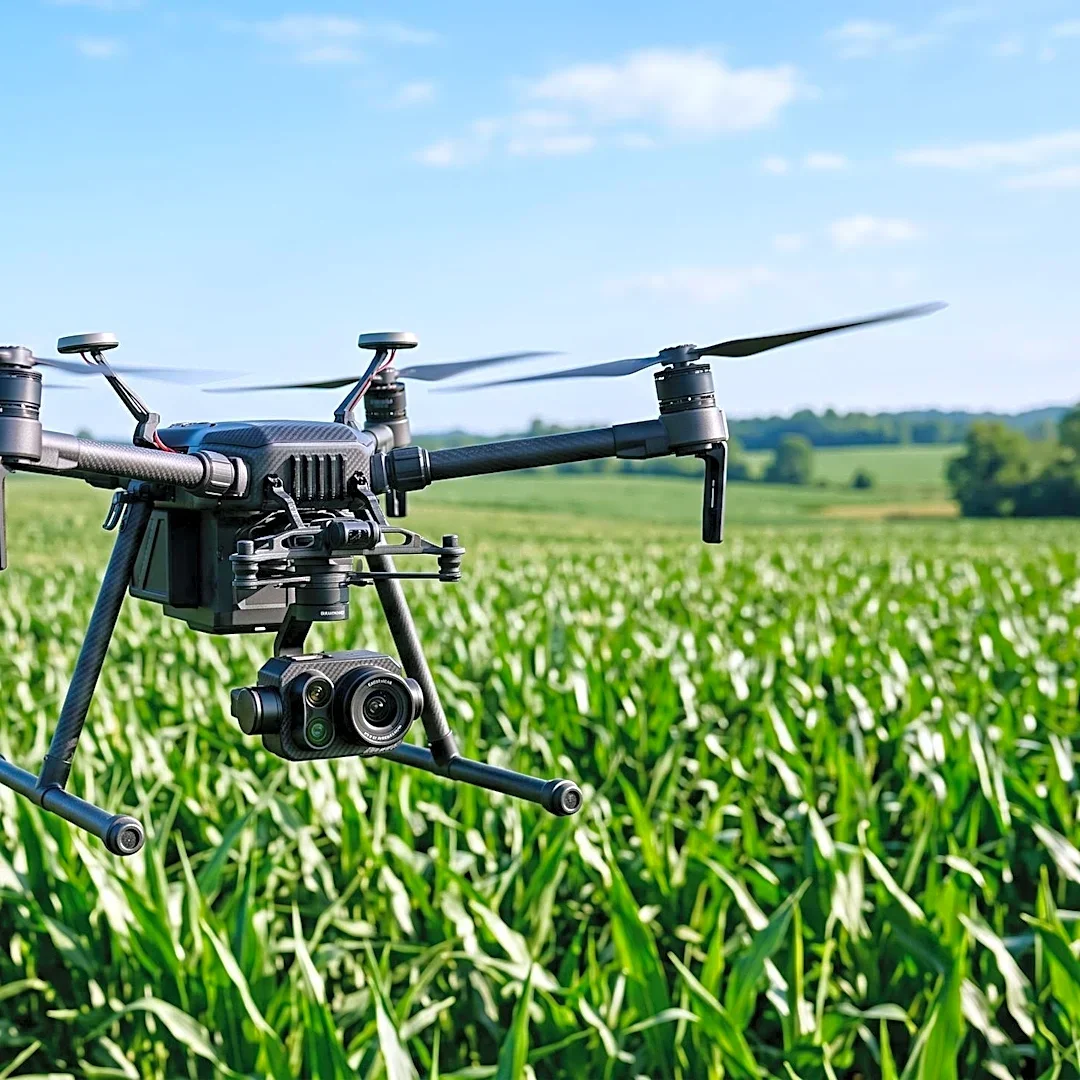
called the Persistent Drone Operations Nanogrid, addresses the critical need for in-field drone recharging, which has been identified as a significant challenge by the U.S. Army. The nanogrid utilizes Sesame Solar's mobile power hub, which generates electricity through solar panels and solid-state hydrogen, eliminating the need for fuel resupply. Target Arm contributes its Ralar system, an autonomous robotic arm that facilitates the launch, recovery, recharging, and relaunching of drones, allowing for 24/7 operation without an on-site pilot. AG3 Labs provides its SPADE drones, which are the smallest and lightest unmanned aircraft systems in the Department of Defense classification. This fully U.S.-manufactured system aims to standardize drone recharging in the field and reduce reliance on foreign-made drones, aligning with Executive Order 14307.
Why It's Important?
This development is crucial for enhancing the operational capabilities of the U.S. military and other agencies in an era where drone warfare is rapidly evolving. The ability to conduct continuous drone operations remotely, without the need for human intervention at launch and recovery points, significantly reduces risks to troops and improves mission endurance. The system's self-sustaining power generation eliminates reliance on traditional fuel supply chains, which can be vulnerable in combat zones. By standardizing drone recharging, the Persistent Drone Operations Nanogrid ensures that drone units remain effective for extended periods, a critical factor in asymmetrical warfare scenarios where drones can level the playing field against more powerful adversaries. Furthermore, the domestic manufacturing of this technology supports U.S. industrial independence and national security objectives by reducing dependence on foreign drone components and systems.
What's Next?
The Persistent Drone Operations Nanogrid is expected to be deployed across various U.S. military branches and government agencies, potentially becoming a standard for drone operations in the field. Its modular design allows for standalone use or integration into larger microgrids, offering flexibility for different operational scales. Beyond military applications, the system has potential for broader adoption in law enforcement, critical infrastructure protection, and emergency management, as well as for commercial and industrial inspections of remote or difficult-to-access sites. Future developments may focus on further enhancing the system's autonomy, resilience against electronic warfare, and integration with other advanced military technologies. The success of this platform could also spur further innovation in mobile, renewable energy solutions for defense applications.
Beyond the Headlines
The introduction of the Persistent Drone Operations Nanogrid signifies a broader shift in military strategy towards more autonomous, sustainable, and distributed warfare capabilities. This system not only addresses immediate operational needs but also reflects a long-term vision for reducing human exposure in hazardous environments and optimizing resource allocation. The emphasis on domestic manufacturing highlights a strategic imperative to secure supply chains and maintain technological superiority in critical defense sectors. Ethically, the increased autonomy in drone operations raises questions about decision-making processes in combat and the role of human oversight, even as it promises to save lives. Legally, the standardization of such systems may necessitate new protocols and regulations for their deployment and use, particularly in international contexts. Culturally, the growing reliance on advanced robotics and AI in warfare could reshape public perceptions of conflict and military engagement.