
What's Happening?
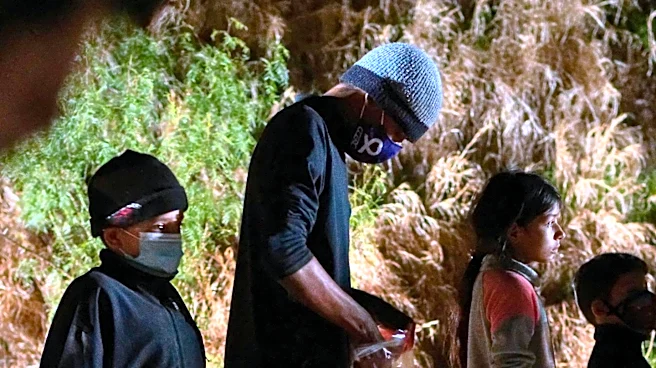
God's Pantry, a nonprofit organization in Pomona, California, is providing food assistance to approximately 10,000 families each month while simultaneously offering second chances and rehabilitation to its
staff. Nearly all of the nonprofit's employees have personal histories of homelessness, addiction, gang involvement, or incarceration. Executive Director Augusto "Goose" Dolce describes their work as operating at the intersection of food insecurity and gang intervention. During the pandemic, the organization expanded its services beyond food distribution to include work training, housing, and counseling, supported by COVID grants. They have developed a "therapeutic work environment" where trainees are paid for their work on the food line and receive services concurrently. Randi Ethridge, a trainee who experienced 20 years of homelessness and opiate addiction, is an example of the program's success. She is now working full-time at Third Street, the nonprofit's print shop, and is pursuing a college education. God's Pantry also offers free tattoo removal for gang-affiliated or prison tattoos, with proceeds from the print shop supporting the nonprofit's initiatives.
Why It's Important?
This initiative by God's Pantry is crucial for addressing two significant societal challenges in the U.S.: food insecurity and the reintegration of marginalized populations. By employing individuals with histories of addiction, homelessness, and incarceration, the nonprofit provides a pathway to stability and self-sufficiency, breaking cycles of poverty and recidivism. This model demonstrates that addressing social issues requires holistic solutions that combine immediate relief, like food aid, with long-term support, such as job training, housing, and counseling. The "therapeutic work environment" approach not only offers practical skills but also fosters healing and personal growth, which is vital for successful reintegration into society. The program's success, as exemplified by Randi Ethridge, highlights the potential for individuals to rebuild their lives when given the right opportunities and support. This approach can reduce strain on public services, improve community safety, and contribute to a more inclusive workforce, offering a replicable model for other communities grappling with similar issues.
What's Next?
God's Pantry will likely continue to expand its integrated approach to community support, combining food distribution with comprehensive rehabilitation services. The success stories of individuals like Randi Ethridge will serve as powerful testimonials, potentially attracting more funding and volunteers to the organization. The print shop, Third Street, is expected to grow, with its proceeds continuing to fund the nonprofit's various programs, including the free tattoo removal service. The organization may also seek to formalize its "therapeutic work environment" model, potentially collaborating with other social service agencies or academic institutions to study and replicate its effectiveness. As more individuals successfully transition through their programs, God's Pantry could become a leading example of how to effectively address complex social issues through a combination of direct aid and empowering rehabilitation.
Beyond the Headlines
God's Pantry's work transcends conventional charity by recognizing the intrinsic link between food insecurity and broader social determinants of health and well-being. By intentionally hiring and supporting individuals who have faced significant life challenges, the nonprofit is not merely providing jobs but actively fostering a culture of empathy, resilience, and second chances. This approach challenges societal stigmas associated with past incarceration or addiction, demonstrating the transformative power of trust and opportunity. The integration of a print shop and tattoo removal services further illustrates a nuanced understanding of the barriers to reintegration, addressing both economic and social hurdles. This model suggests a profound ethical commitment to human dignity and the belief in every individual's capacity for change, offering a powerful counter-narrative to punitive approaches to social problems and highlighting the potential for community-led solutions to drive systemic change.