





What's Happening?
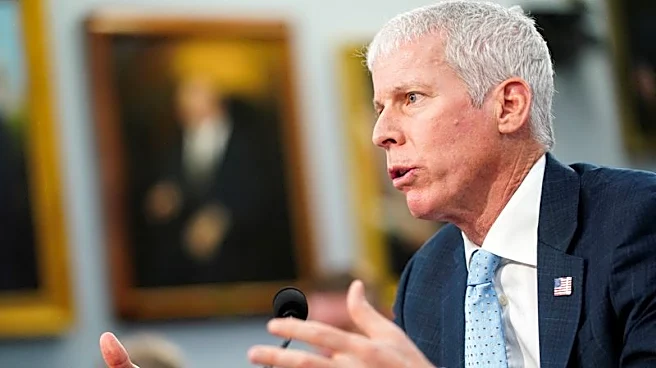
Utah Senator Mitt Romney has announced he will not seek re-election for a second term, emphasizing the necessity for a new generation of leaders in American politics. At 76 years old, Romney stated that he would be in his mid-80s at the end of another
term, underscoring his belief that younger individuals should be making decisions that will shape their future world. This decision aligns with a broader discussion about the age of political leaders in the U.S. Congress, which is currently the third-oldest in the nation's history. Romney's announcement draws parallels to athletes like Michael Jordan, who recognized when it was time to step aside from their careers, highlighting the importance of humility over ego in public service. The senator's move is presented as a gracious exit from a productive career, setting an example for other aging politicians.
Why It's Important?
Senator Romney's decision to retire carries significant implications for the Republican Party and the broader political landscape. His call for a 'new generation of leaders' directly addresses a growing concern about the advanced age of many prominent figures in Congress, potentially sparking further debate and pressure on other long-serving politicians to consider their own futures. This move could open doors for younger candidates to emerge and bring fresh perspectives to national policy-making. Furthermore, Romney, a notable voice within the Republican Party who has often been critical of President Trump, leaves a void that could shift internal party dynamics. His departure might also influence the ongoing discussion about the physical and mental fitness of elected officials, especially given recent public performances by other senior politicians. The emphasis on humility and recognizing one's limits could set a precedent for how political careers are viewed and concluded.
What's Next?
Following Senator Romney's announcement, the focus will shift to the upcoming election cycle in Utah, as potential candidates from both parties will likely emerge to contend for his open Senate seat. This will initiate a competitive primary and general election, potentially introducing new political figures to the national stage. The conversation around generational change in leadership is also expected to intensify, possibly influencing other long-serving members of Congress to re-evaluate their own political careers. Political analysts will be closely watching how Romney's departure impacts the moderate wing of the Republican Party and whether his influence will be replaced by more conservative or progressive voices. Additionally, his decision may fuel further public discourse and media scrutiny regarding the age and health of current political leaders, potentially leading to increased calls for transparency or even age-related term limits in the future.
Beyond the Headlines
Senator Romney's retirement announcement transcends a simple political departure; it highlights a deeper societal and ethical question about leadership longevity and the transition of power. His emphasis on making way for a 'new generation' touches upon the democratic ideal of representation, suggesting that those who will live with the consequences of today's decisions should be the ones making them. This raises ethical considerations about when a leader's personal ambition should yield to the collective good and the need for fresh perspectives. Culturally, it challenges the notion that experience always trumps youth in leadership roles, suggesting a balance is necessary. Legally, while there are no age limits for serving in Congress, Romney's decision could indirectly fuel discussions about the informal expectations placed on public servants regarding their capacity to serve effectively throughout their tenure. His move could be seen as a call for greater self-awareness and responsibility among political elites, encouraging a culture where leaders recognize the appropriate time to pass the torch.