



What's Happening?
Homeland Security Secretary Markwayne Mullin is facing significant opposition from business leaders and the travel industry over his proposal to remove Customs and Border Protection officers from airports in sanctuary cities. This plan would effectively
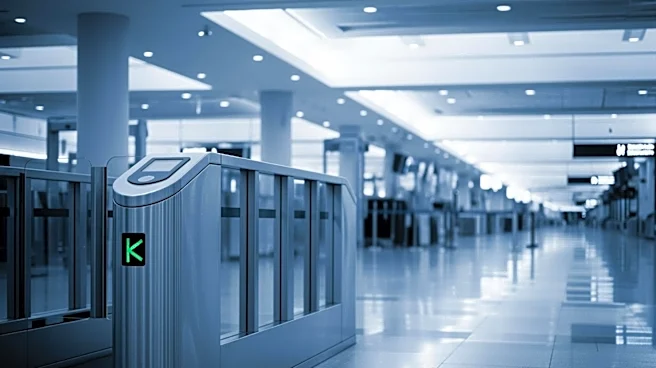
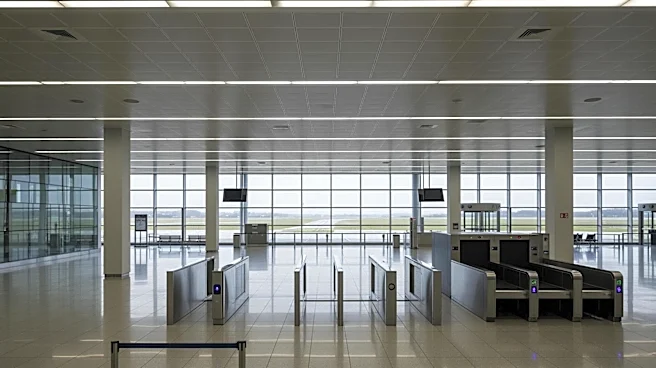
prevent these airports from accepting international flights. Mullin, who succeeded Kristi Noem, argues that cities not cooperating with federal immigration enforcement should not process international flights. However, a coalition of 17 travel and business trade groups, including the U.S. Travel Association and the U.S. Chamber of Commerce, has criticized the plan, warning it could cause chaos in the nation's air transportation system. The plan could impact major international travel hubs like New York City, Los Angeles, and San Francisco, which handle millions of passengers and generate significant economic activity.
Why It's Important?
The proposal by Secretary Mullin could have far-reaching economic implications, potentially disrupting over $70 billion in U.S. economic activity. Major airports in sanctuary cities are critical to international travel and commerce, handling millions of passengers and billions in imports annually. The travel industry warns that operational changes at these airports could ripple across the country, affecting the broader air transportation system. Additionally, the plan could jeopardize events like the FIFA World Cup, which relies on these airports for international arrivals. The backlash from business leaders highlights the potential economic and operational consequences of Mullin's proposal, emphasizing the need for stable and efficient gateway infrastructure.
What's Next?
The Department of Homeland Security has not commented on the criticism, and it remains to be seen how the administration will respond to the backlash. The travel industry and business leaders are likely to continue lobbying against the plan, emphasizing its potential economic impact. If implemented, the proposal could face legal challenges from affected cities and industries. The situation may also prompt further political debate over immigration enforcement and federal-state relations, particularly in the context of sanctuary cities.