



What's Happening?
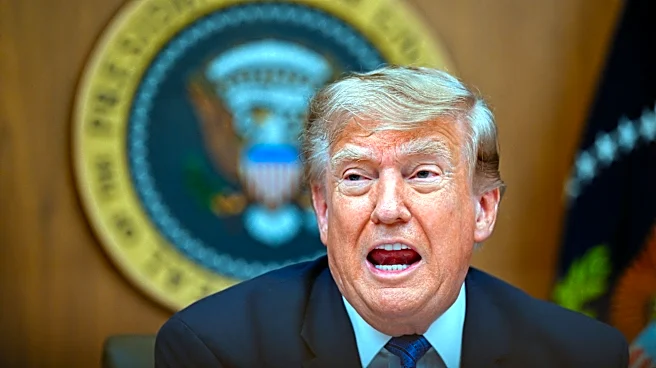
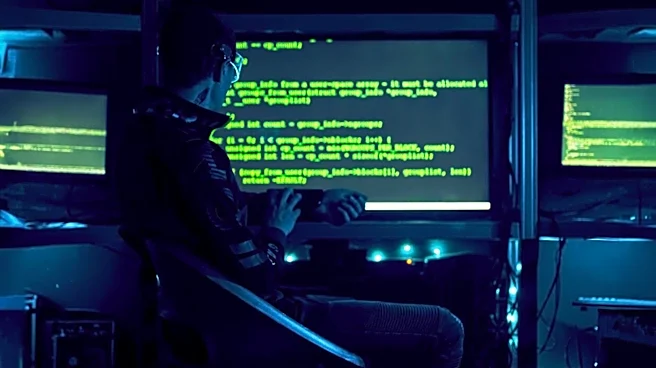
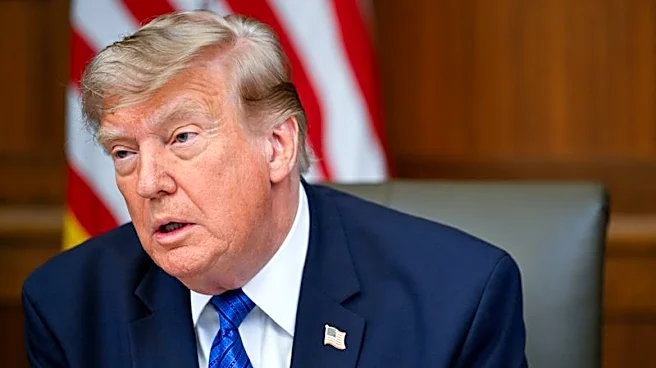
Authorities in Minnesota are investigating cyberattacks on over 30 water systems, with federal agencies warning of potential Iranian involvement. The attacks have prompted some systems to disconnect from the internet as a precaution. President Trump has
blamed Minnesota officials for the attacks without evidence, while Governor Tim Walz has criticized federal cybersecurity cuts for leaving systems vulnerable. The situation has raised concerns about the security of critical infrastructure and the potential for further attacks.
Why It's Important?
The cyberattacks on Minnesota's water systems highlight the vulnerabilities in critical infrastructure and the need for robust cybersecurity measures. The potential involvement of a foreign state like Iran underscores the geopolitical risks and the importance of international cybersecurity cooperation. The situation also reflects the challenges in attributing cyberattacks and the political implications of such incidents. Strengthening cybersecurity defenses is crucial to prevent disruptions and protect public safety.
What's Next?
As investigations continue, there may be increased efforts to enhance cybersecurity measures and address vulnerabilities in critical infrastructure. The situation could lead to policy changes and increased funding for cybersecurity initiatives. Additionally, if foreign involvement is confirmed, it could impact U.S. foreign policy and relations with countries like Iran. The outcome of the investigation may also influence public perception of cybersecurity threats and the government's response.